China Top Bracket Rubber Manufacturers and Suppliers?
China is an important sourcing destination for Bracket Rubber components used in machinery, vehicles, equipment enclosures, and vibration-control assemblies. Buyers comparing manufacturers and suppliers should look beyond price. A small rubber bracket can affect alignment, noise, sealing, and service life. Check the part’s dimensions, rubber compound, metal bonding, and stated operating conditions. Ask for drawings, sample parts, inspection records, and clear information about production consistency. Details matter.
Supplier claims deserve careful review. Confirm how materials are identified and how batches are checked. Ask whether samples match the production process, not just a hand-finished prototype. A useful quotation from a named Bracket Rubber expert would strengthen this guide, but no source article or verifiable interview was supplied. For accuracy, an expert’s name and words should not be invented. That is a limitation worth stating. This introduction therefore focuses on practical evaluation rather than unsupported endorsements. The sections ahead can compare Chinese manufacturers by product range, customization, quality documentation, communication, and delivery capability. No single supplier fits every application. A bracket exposed to oil, heat, repeated movement, or heavy vibration may need different material and testing choices. Share the actual operating conditions before requesting a quote. It can prevent an attractive sample from becoming a costly mismatch.
What Bracket Rubber Components Are and How They Function
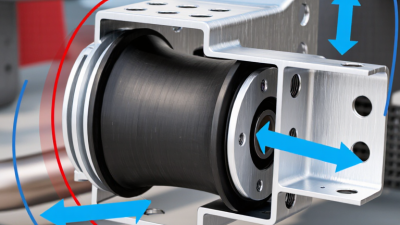
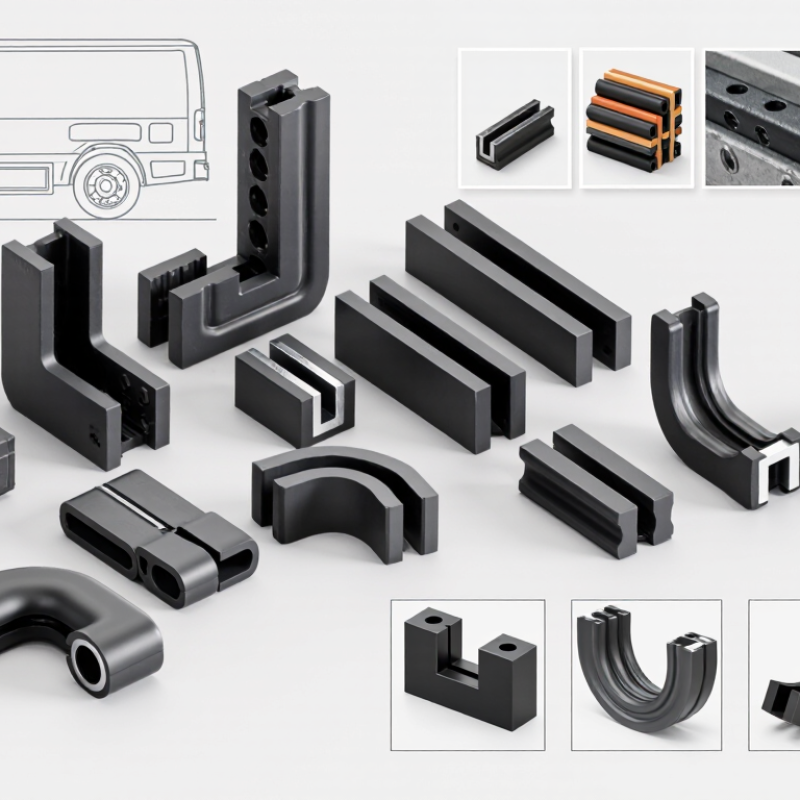
Bracket rubber components are elastomer parts fitted between a metal bracket and the equipment or structure it supports. Common examples include bushings, grommets, vibration mounts, and cushioning pads. They absorb movement, reduce impact, and limit direct metal-to-metal contact. A small mount beside a pump, for instance, can flex as the machine vibrates while helping keep its position stable. It deforms. That is the point.
Performance depends on the rubber compound, shape, and loading—not softness alone. A component may face repeated compression, sideways shear, heat, oil, or ozone. The International Rubber Study Group’s 2024 statistical reporting puts global rubber consumption in 2023 at roughly 30 million tonnes. This covers many applications, not bracket components specifically. It is useful context, not a bracket-market estimate. For technical selection, ASTM D2000 provides a classification system for rubber products used in automotive applications; actual service life still depends on the part’s design and working conditions. A mount that feels firm on a workbench may creep under heat. That deserves attention. Check dimensions, operating temperature, and exposure to fluids before comparing suppliers.
China’s Bracket Rubber Manufacturing Landscape
China’s Bracket Rubber Manufacturing Landscape
China’s bracket rubber suppliers serve automotive, machinery, appliance, and construction-equipment manufacturers. Their products include molded rubber bushes, vibration isolators, bonded rubber-metal mounts, and custom-shaped supports. The market benefits from a broad manufacturing base, but supplier capabilities differ. Some factories focus on high-volume molded parts; others handle small batches and application-specific designs. A sample may look right on the bench. Its performance can still change under heat, oil, vibration, or repeated compression.
Demand is closely linked to vehicle and equipment production. The China Association of Automobile Manufacturers reported that China produced about 30.16 million vehicles in 2023. That figure indicates a large potential customer base, not a direct measure of bracket rubber sales. Buyers should check compound specifications, dimensional tolerances, aging-test records, and metal-to-rubber bonding controls. Ask for test conditions, too. A result without temperature, duration, and load details is hard to compare. Factory visits can reveal practical details, such as mold maintenance and how rejected parts are logged.
Tips: Send a drawing, operating temperature, fluid exposure, and expected load before requesting a quote. Compare samples from the same test method. One weakness in sourcing is relying on price alone; it can hide differences in material consistency. Teams should verify production records and repeat testing after design changes.
China’s Bracket Rubber Manufacturing Landscape
Typical Shore A hardness ranges for elastomers commonly used in rubber brackets
Rubber brackets can be made from several elastomers, selected according to requirements such as flexibility, weather resistance, and oil resistance. The ranges shown are typical formulation ranges, not market measurements or specifications for any individual supplier; actual products vary by compound and application.
Key Materials and Production Processes for Bracket Rubber
Bracket rubber depends on the right compound, not just a flexible shape.
Natural rubber offers strong resilience and fatigue resistance, while EPDM suits outdoor exposure and NBR performs better around oils. Steel or aluminum inserts can add load support, but poor surface preparation may weaken rubber-to-metal bonding.
Small details matter.
The International Rubber Study Group’s 2024 Statistical Review puts 2023 natural-rubber production at about
15.1 million tonnes,
with consumption near
15.6 million tonnes.
These figures show the scale of rubber demand, though they do not determine which compound fits a bracket. Production typically involves weighing and mixing polymers, fillers, oils, and curatives, followed by compression or injection molding. Insert cleaning and primer application need close control. Then comes vulcanization.
ASTM D2000 helps specify rubber properties, while tensile testing under
ISO 37 can check strength and elongation. In practice, a compound that passes a lab test may still perform poorly if the bracket sees heat, vibration, or repeated compression.
That gap deserves more attention.
Industries and Applications Served by Chinese Suppliers
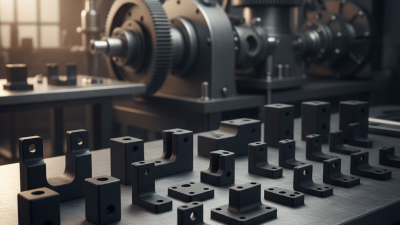
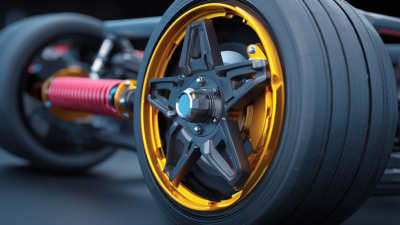
Chinese bracket rubber suppliers serve a wide range of industrial sectors, where rubber helps cushion contact, reduce vibration, and protect mounted components. In automotive production, rubber-lined brackets can support pipes, wiring, and small assemblies inside crowded engine bays. Machinery makers use them to secure guards, panels, and control boxes that face repeated movement. Fit matters.
HVAC and building-equipment manufacturers may use these parts to mount ducts, pumps, or electrical enclosures. Agricultural equipment presents different demands: dust, moisture, changing temperatures, and regular impact. Suppliers often adjust rubber hardness, bracket geometry, and bonding methods to match the load and operating environment. A part that works well indoors may age faster beside oil, sunlight, or abrasive grit.
For buyers, application details are more useful than a broad product label. Share the expected load, movement, temperature range, and nearby fluids before requesting samples. Check hole spacing and rubber compression against the actual assembly, not only the drawing. Drawings miss things. Installation access and maintenance habits can also affect performance, and these details are easy to overlook. A short trial under real operating conditions can reveal fit or durability issues before larger production runs.