Top Rubber Bump Stops for Global Buyers to Consider?
In the world of automotive components, Rubber Bump Stops play a critical role. These parts absorb shocks, enhancing vehicle durability. John Smith, a renowned expert in suspension systems, states, "The right bump stop can significantly extend a vehicle's lifespan."
As global buyers evaluate options, understanding the nuances of Rubber Bump Stops becomes essential. These stops must be durable and flexible, tailored to various driving conditions. Many buyers overlook the importance of material quality. Not all rubber is the same; it varies in hardness and resilience. This oversight can lead to premature wear and costly replacements.
Moreover, market choices can be overwhelming. Some manufacturers claim superior performance, yet many fall short in real-world applications. It raises questions: How do you identify reliable suppliers? What specifications truly matter? Buyers must dig deeper, asking for data and testing standards. An informed decision can make all the difference in performance and safety.
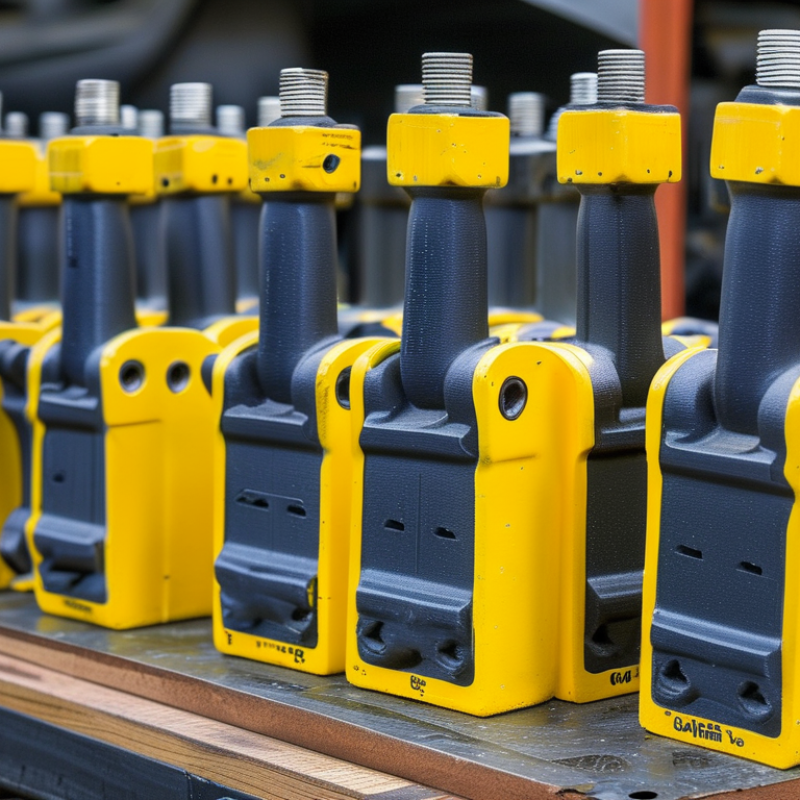
Top Rubber Bump Stop Materials and Their Performance Characteristics
Rubber bump stops are essential components for various applications, particularly in automotive and industrial settings. Understanding the materials used for these bump stops is crucial for optimizing their performance. Common materials include natural rubber, synthetic rubber, and polyurethane. Each material offers distinct benefits and limitations that can affect durability and performance in different environments.
Natural rubber is known for its excellent elasticity and resilience. It performs well under dynamic loads but has limitations in extreme temperature conditions. Synthetic rubber, like SBR or EPDM, provides better resistance to ozone and heat but may not match the elasticity of natural rubber. Polyurethane is often utilized for its high abrasion resistance and strength, making it suitable for heavy-duty applications. However, it can be more expensive compared to other options, and users may need to consider the cost-benefit ratio.
Tips for selecting the right rubber bump stop include analyzing the specific application requirements. Assess load-bearing capacities and environmental factors first. Consider factors like temperature and exposure to chemicals. It may be worth testing samples before making bulk purchases.
Reviewing vendor specifications and material properties helps in making informed choices. Explore user reviews or case studies to evaluate long-term performance. Engaging with industry experts can provide valuable insights and avoid costly mistakes. Ultimately, taking a thoughtful approach ensures that the right bump stop material is selected for each application.
Key Factors Affecting the Durability of Rubber Bump Stops in Vehicles
Rubber bump stops play a critical role in vehicle suspension systems. They help absorb impact, providing a cushion during rough rides. The durability of these components greatly affects vehicle performance and safety. Several key factors influence how long they last.
Material quality is paramount. High-grade rubber compounds resist wear better than lower-quality options. The manufacturing process also matters. Poorly designed bump stops may not withstand pressure effectively. Environmental conditions, such as extreme temperatures and exposure to chemicals, can degrade rubber. Vehicles operating in harsh climates often face increased wear.
Regular inspections are important. A worn bump stop can lead to suspension issues. Drivers may overlook this until problems arise. This can negatively impact handling and ride comfort. Little attention can lead to bigger repair costs over time. Vehicle owners should prioritize maintenance checks to ensure longevity. Though easy to forget, a strong focus on bump stops pays dividends in safety and performance.
Durability Factors of Rubber Bump Stops in Vehicles
Global Market Trends and Forecasts for Rubber Bump Stops Demand
The global market for rubber bump stops is evolving. This product is crucial across industries, impacting performance and safety in vehicles and machinery. Currently, the demand for these components has shown significant growth due to increasing vehicle production rates and a rise in off-road applications. Manufacturers are adapting to these trends, focusing on innovation and quality improvement.
Regional markets show varied demands. North America leads due to advanced infrastructure and vehicle manufacturing. Europe follows closely, driven by stringent safety regulations. Emerging economies are witnessing rapid adoption as industries expand. However, challenges persist, such as fluctuating raw material prices and environmental concerns. Companies need to address these issues to remain competitive.
Customers expect durable and efficient products. Rubber bump stops must meet rigorous quality standards. The future indicates a push towards sustainable materials. Companies may explore biodegradable options. This shift requires collaboration with suppliers for research and development. Overall, the market is dynamic, demanding adaptability and foresight.
Comparison of Leading Rubber Bump Stop Manufacturers and Products
When selecting rubber bump stops, it’s crucial to analyze various manufacturers and their offerings. Not all bump stops are created equal. Some may excel in durability, while others focus on shock absorption. This diversity can make the decision process complex for buyers.
Leading manufacturers often use advanced materials to enhance performance. Look for those that provide detailed specifications. Consider factors like load capacity and compression characteristics. A reliable bump stop should sustain its form under heavy stress. Buyers should seek products with consistent quality assurance. This is vital for safety and performance.
Comparisons should also consider customer feedback. Reviews can reveal valuable insights into a product’s reliability. However, not all feedback is reliable. Some opinions may skew perspectives. Buyers must navigate this landscape carefully. Ultimately, investing time in research can lead to informed choices, benefiting both the buyer and the end-user.
Top Rubber Bump Stops for Global Buyers to Consider
| Product Type |
Material |
Load Capacity |
Temperature Resistance |
Durometer Hardness |
Applications |
| Standard Rubber Bump Stop |
Natural Rubber |
500 kg |
-20°C to 80°C |
60 Shore A |
Automotive, Heavy Equipment |
| Heavy-Duty Bump Stop |
Synthetic Rubber |
1000 kg |
-40°C to 100°C |
75 Shore A |
Commercial Vehicles, Trucks |
| Polyurethane Bump Stop |
Polyurethane |
300 kg |
-30°C to 90°C |
85 Shore A |
Lightweight Vehicles, Sports Cars |
| Mini Bump Stop |
EPDM Rubber |
200 kg |
-20°C to 120°C |
50 Shore A |
Motorcycle, Compact Cars |
| Custom Profile Bump Stop |
Silicone Rubber |
Variable |
-60°C to 200°C |
30 Shore A to 70 Shore A |
Industrial Applications, Custom Solutions |
Environmental Impact and Sustainability Practices in the Rubber Industry
The rubber industry faces pressing challenges in environmental impact and sustainability. Many producers are exploring eco-friendly practices to reduce their carbon footprint. Sustainable sourcing of natural rubber is essential. This approach can mitigate deforestation and support local communities. However, the transition to sustainable methods is not always smooth. Producers may struggle with supply chain complexities and cost management.
Tips: Look for suppliers who demonstrate commitment to sustainability. Check certifications that reflect environmentally responsible practices. Support companies that invest in community development initiatives.
Implementing recycling programs is another important step. Recycled rubber can significantly reduce waste and conserve resources. Still, many manufacturers overlook this opportunity. They often lack the necessary infrastructure or knowledge to implement effective recycling solutions. Collaboration between industries can pave the way for successful recycling efforts.
Tips: Encourage businesses to partner with recycling firms. Promote awareness of the benefits of using recycled rubber products. Share success stories to inspire change.
By focusing on sustainability, the rubber industry can significantly reduce its environmental impact. Continuous improvement in practices is vital. Without it, the industry's long-term viability could be at risk.