China Top Rubber Isolation Mounts for Effective Vibration Control?
In the realm of vibration control, Rubber Isolation Mounts play a vital role. Experts emphasize their significance. Dr. Emily Chen, a leading figure in vibration engineering, states, "Effective vibration control starts with the right mounts." Her insight underscores the importance of quality in this industry.
Rubber Isolation Mounts are essential in various applications. They protect equipment from excessive vibrations, which can lead to costly damage. Properly selected mounts can enhance the lifespan of machinery significantly. Yet, the market faces challenges, such as varying quality standards. Not all mounts deliver the promised performance.
The key is informed selection. Buyers often overlook crucial details, leading to suboptimal choices. Investing in high-quality Rubber Isolation Mounts is paramount. This ensures not only functionality but also peace of mind. As the industry evolves, staying updated with reliable information is necessary.
Overview of Rubber Isolation Mounts and Their Importance in Vibration Control
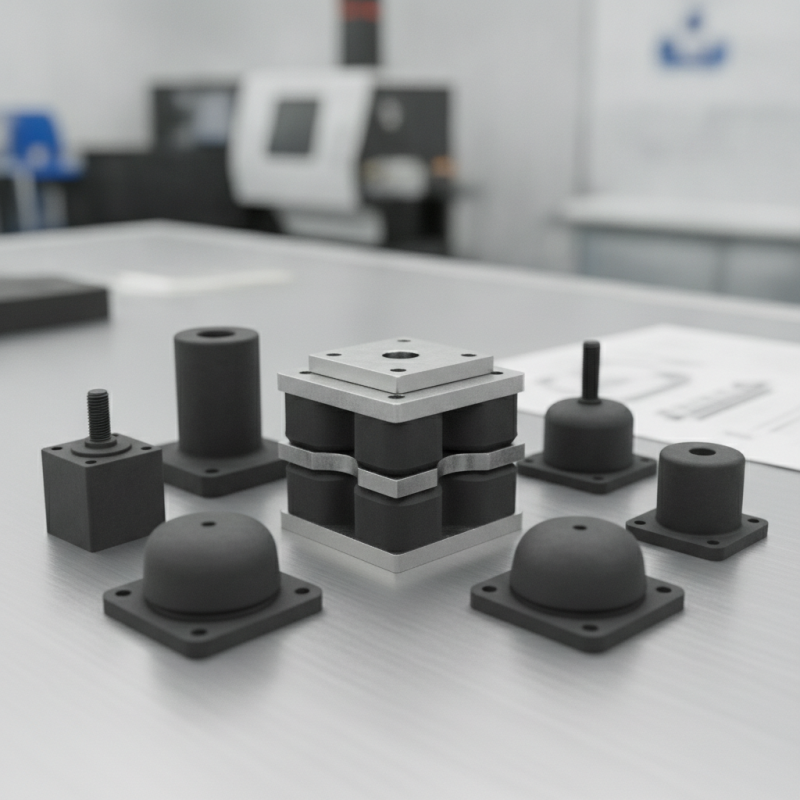
Rubber isolation mounts play a crucial role in controlling vibrations in various applications.
These mounts reduce the transmission of vibrations from machinery to their surrounding environments.
Their importance in industries, like manufacturing and construction, cannot be overstated.
Proper installation of these mounts can lead to improved equipment lifespan and reduced noise pollution.
When using rubber isolation mounts, selection is key.
Different materials and designs impact their effectiveness. Some mounts can degrade over time due to environmental conditions, leading to unexpected failures.
This highlights the need for regular maintenance and assessments.
No isolation mount is perfect; each has unique strengths and limitations. It's essential to understand your specific needs to choose the right one.
While rubber mounts are widely used, they are not always the ideal solution.
In certain scenarios, other materials may perform better. Therefore, it’s worth considering various options for vibration control.
As technology advances, the development of new materials may offer even more effective solutions.
Exploring alternatives can lead to enhanced performance and reliability in vibration management.
Types of Rubber Isolation Mounts Used in Industrial Applications
Rubber isolation mounts play a crucial role in industrial applications by effectively managing vibrations. Various types exist, each suited for specific environments. For example, neoprene mounts are widely used due to their robust damping properties. They are commonly found in automotive and aerospace industries.
Studies indicate that using polypropylene mounts can reduce vibrations by up to 70%. This significant reduction enhances machinery life and improves efficiency.
Another popular type is rubber-to-metal bonded mounts. These provide high load-bearing capacity. They are often utilized in heavy machinery and HVAC systems. Their design allows for both vertical and horizontal load support, making them versatile. However, the challenge lies in maintaining their effectiveness over time.
Environmental factors can degrade the rubber, leading to a potential loss of isolation performance.
Understanding the operating conditions is critical when selecting a mount type. For example, exposure to heat or chemicals may necessitate a specific rubber composition. Industry reports suggest that improper selection can lead to increased maintenance costs and operational downtime.
Companies must evaluate their needs carefully to avoid costly mistakes.
Factors to Consider When Selecting Rubber Isolation Mounts
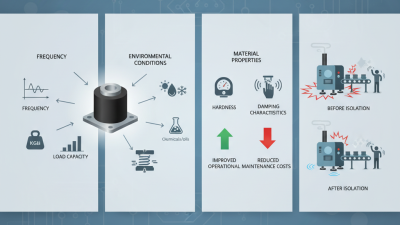
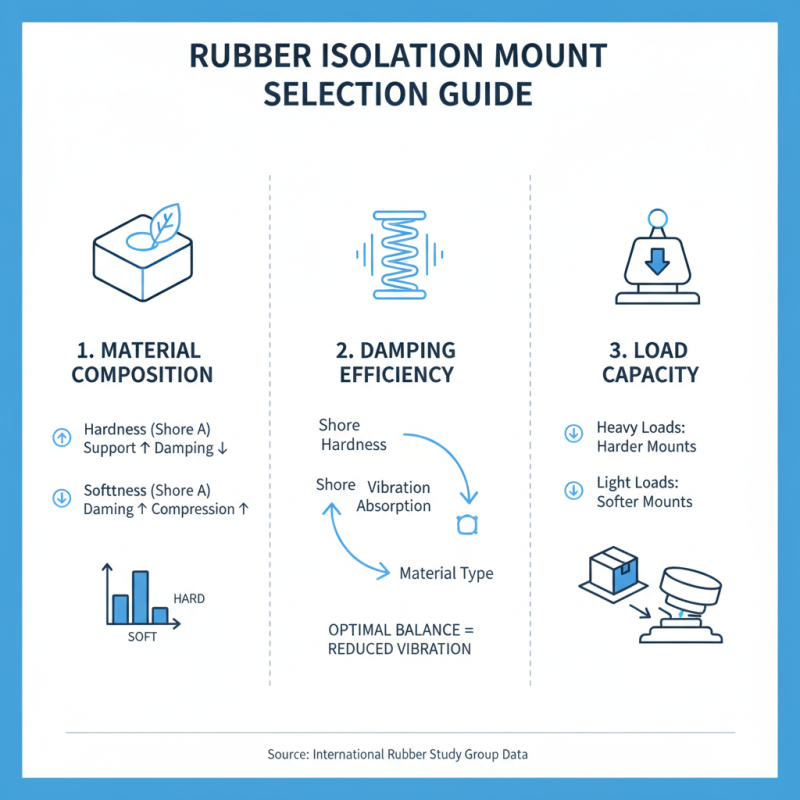
When selecting rubber isolation mounts, several critical factors come into play. The material composition is a primary consideration. Rubber mounts can vary significantly in their hardness and elasticity. According to data from the International Rubber Study Group, the right level of Shore hardness can influence damping efficiency. Harder mounts may provide more support but less vibration absorption. Conversely, softer mounts may absorb more vibrations but can compress under heavy loads.
Load capacity is another essential factor. Each rubber isolation mount is rated for a specific weight capacity. If an application exceeds this limit, the mount's efficacy diminishes. Research from the Society of Automotive Engineers emphasizes that overloading can lead to mount failure. This situation not only increases wear on machinery but also impacts performance.
Environmental factors also matter. Rubber can degrade when exposed to oils, temperature extremes, or ozone. A study by the American Society of Mechanical Engineers highlights how improper material selection can result in premature failure. Users must assess their specific application needs carefully to ensure longevity and reliability. Achieving the right balance between all these factors requires careful consideration and expertise. This process is critical for effective vibration control.
Benefits of Using China-Made Rubber Isolation Mounts for Vibration Control
Rubber isolation mounts are essential for vibration control in various industries. In China, these mounts have gained significant traction due to their effectiveness. They serve to dampen vibrations and minimize noise in machinery and structural applications. With a rise in industrial automation, the need for efficient vibration control has become paramount. According to a recent industry report, vibration-related issues account for about 30% of machinery failures worldwide. This highlights the importance of investing in high-quality isolation mounts.
The benefits of using China-made rubber isolation mounts are noteworthy. These mounts are often produced using advanced manufacturing techniques and materials. They offer competitive pricing while maintaining reliable performance. Studies indicate that rubber isolation mounts can reduce vibrations by up to 90%. This level of effectiveness can lead to prolonged equipment lifespan and reduced maintenance costs. The robust nature of China-made mounts allows for applications in various environments, from manufacturing plants to sensitive laboratory settings.
However, industries must remain vigilant in selecting the right products. While quality is often high, inconsistencies can arise in the production process. Buyers should prioritize trusted suppliers who provide detailed specifications. Understanding the specific application requirements is crucial to achieving optimal performance. This ensures that the chosen rubber mounts will perform effectively in real-world conditions.
Case Studies: Successful Implementation of Rubber Isolation Mounts in China
Rubber isolation mounts play a critical role in reducing vibrations and noise in various applications. In China, several industries have effectively implemented these mounts to enhance operational efficiency. For instance, a construction project in Beijing integrated rubber isolation systems to protect sensitive equipment from structural vibrations. This move improved equipment longevity and reduced maintenance costs.
A case study in Shanghai highlighted the successful use of rubber mounts in manufacturing. The factory faced significant vibration issues that disturbed workflows. After adopting isolation mounts, noticeable improvements in productivity and worker comfort were reported. However, some challenges arose during installation. Ensuring proper alignment was tricky and required skilled labor.
In another instance, a transportation hub in Guangzhou struggled with noise transmission. The implementation of rubber isolation mounts effectively minimized this disruption. Feedback from staff and customers was overwhelmingly positive. Yet, the ongoing need for adjustment and monitoring suggests that perfecting such systems is an evolving journey. Continuous learning in vibration control remains essential for all involved.