Get a custom solution for free

What Is Molded Rubber and Plastic Used For?

Molded Rubber And Plastic parts are easy to overlook, yet they help everyday products seal, cushion, protect, and function. A rubber gasket compresses around a pump joint to stop leaks. A molded plastic connector holds wires in place inside an appliance. These components also serve automotive, medical, construction, electronics, and consumer-product applications. Small parts matter.

The scale of plastics use is substantial. PlasticsEurope’s 2024 report, Plastics—The Fast Facts, estimates that global plastics production reached 413.8 million tonnes in 2023. That figure covers plastics broadly; it is not a measure of molded products alone. Still, it shows why choosing materials and manufacturing methods carefully matters. Rubber is often selected for flexibility, vibration control, and sealing. Plastics can offer low weight, repeatable shapes, and electrical insulation. The right choice depends on the part’s load, temperature, chemical exposure, and expected service life.

Injection-molding expert John Beaumont, author of Successful Injection Molding, offers a useful principle, paraphrased here: consistent molded parts depend on sound design and controlled processing. A material label alone cannot guarantee performance. Designers must consider wall thickness, shrinkage, tolerances, and the conditions a component will face. A seal exposed to heat needs different properties from a lightweight cover. That distinction is practical, not cosmetic. This guide explains where molded rubber and plastic are used, how their properties differ, and what to consider when selecting them.
What Is Molded Rubber and Plastic Used For?

What Molded Rubber and Plastic Are

What Is Molded Rubber and Plastic Used For?

What Molded Rubber and Plastic Are

Molded rubber and plastic are components formed by shaping material inside a cavity. The cavity gives the material its dimensions, surface details, and functional features. A small rubber grommet, for example, may have a narrow groove that grips a wire and cushions it against a metal edge. The mold creates that detail repeatedly.

The materials behave differently during molding. Rubber is commonly placed in a mold and heated, allowing it to cure into a flexible, elastic part. Many plastics are heated until they flow, then cooled into shape. Some plastics cure through a chemical reaction instead. The distinction matters: heat, pressure, and cooling time can affect strength, flexibility, and dimensional accuracy.

Small details matter. A few millimeters can change the fit. Material selection also matters; not every rubber or plastic suits the same temperature, load, or chemical exposure. In practical design work, the part’s actual conditions should guide the choice, rather than appearance alone. That can be overlooked, especially when a sample looks right but has not been tested in use. Even a carefully made mold cannot compensate for an unsuitable material or poorly controlled process.


How Rubber and Plastic Molding Works

Rubber and plastic molding begins with a part design, a material choice, and a tool shaped to form the part. Plastic pellets are commonly heated until they flow, then pushed into a closed mold under pressure. In injection molding, the material cools inside the cavity and holds its shape. Rubber compounds may be placed in a mold and shaped through heat and pressure; some processes also inject the compound. The exact method depends on the material and the part’s size, thickness, and intended use.

After forming, the mold opens and the part is removed. Workers or automated equipment may trim excess material, inspect dimensions, and check for surface flaws. A small vent or gate can leave a mark. Small details matter. A narrow wall may fill unevenly, while a thick section can cool or cure more slowly. Even a carefully planned first run can reveal a stubborn thin spot. Adjusting the mold, temperature, pressure, or cycle time may improve consistency, but each change needs testing. Good molding relies on matching the design, material, and process—not simply applying more heat or pressure.

Common Products Made from Molded Materials

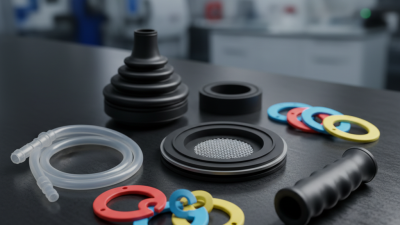
Molded rubber and plastic appear in products people handle every day. Rubber door seals help block drafts and reduce rattling in cars and appliances. Gaskets keep joints snug, while flexible grips make tools easier to hold. Shoe soles, caster wheels, and vibration mounts also rely on rubber’s ability to bend and absorb impact. Small parts matter. A loose seal can be more noticeable than a large, polished panel.

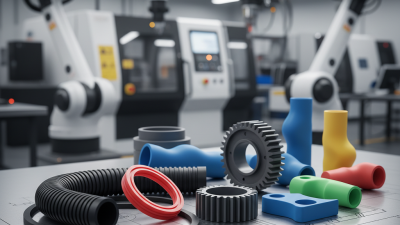
Molded plastic is common in storage bins, food containers, electrical housings, appliance knobs, and children’s building pieces. The process can create thin ribs, clips, and curved surfaces in one component, reducing the need for separate fasteners. In a kitchen, a lightweight container may be practical, while a device housing needs a more rigid shape and carefully placed openings. Details count. Material choice should match heat, pressure, cleaning, and repeated handling. A molded part is not automatically durable; wall thickness and everyday conditions matter too. It is easy to judge a product by its appearance, but a neat surface says little about how well it will perform over time.

Industries That Use Molded Rubber and Plastic

What Is Molded Rubber and Plastic Used For?
Industries That Use Molded Rubber and Plastic

Automotive manufacturers use molded rubber for door seals, vibration-damping mounts, and flexible hoses. Molded plastic forms clips, housings, and interior panels. These parts face heat, road grit, and repeated movement. Fit matters. A small mismatch can cause noise, leaks, or early wear.

In healthcare, molded plastics are used for equipment housings, trays, and selected fluid-handling components. Rubber may provide seals, grips, or cushioning. The right material depends on the part’s contact, cleaning, and performance requirements. A medical-looking component is not automatically suitable for every clinical use; specifications and testing matter.

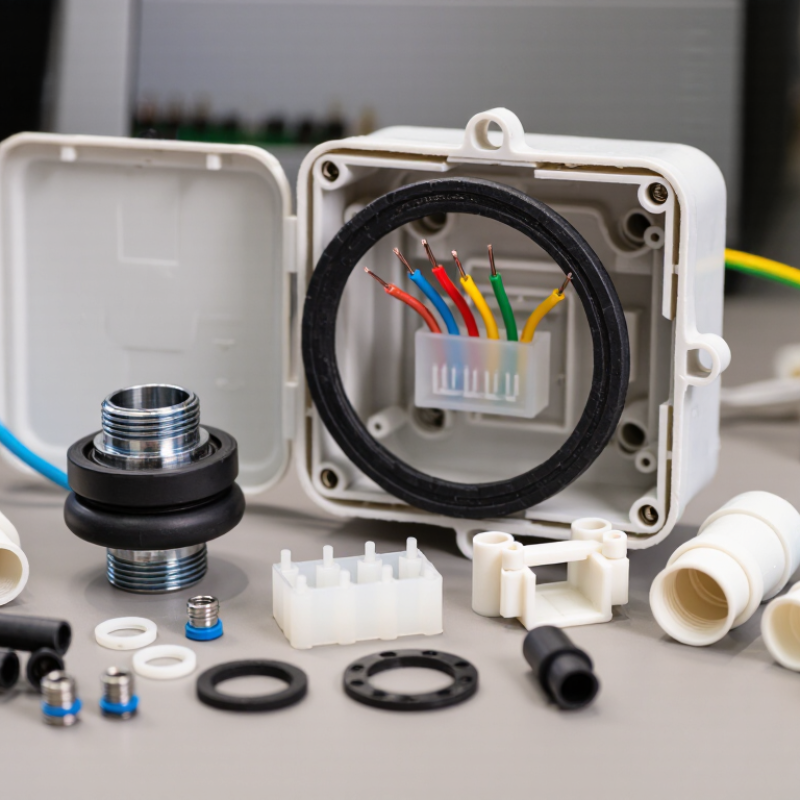
Construction and agriculture rely on molded parts in pipe fittings, protective covers, irrigation components, and equipment seals. Electrical products use insulating housings and flexible grommets to help protect wires from abrasion. Consumer goods also use molded materials in handles, storage containers, and appliance components. Heat changes things. A plastic that works well indoors may become brittle outdoors, while rubber can soften or wear under certain conditions. It is easy to focus on shape and price, but service life, operating conditions, and maintenance deserve equal attention.

What Is Molded Rubber and Plastic Used For? Industries That Use Molded Rubber and Plastic

Industry Common Molded Rubber Uses Common Molded Plastic Uses Typical Performance Needs
Automotive and transportation Seals, gaskets, vibration isolators, hoses, and protective boots Interior trim, electrical connectors, clips, housings, and fluid-system components Resistance to vibration, temperature changes, fluids, weathering, and repeated use
Healthcare and medical devices Flexible tubing, seals, diaphragms, and cushioning components Instrument housings, trays, handles, and selected disposable device components Material suitability for the intended use, cleanability, dimensional consistency, and applicable regulatory requirements
Construction and building systems Window and door seals, expansion-joint products, pipe gaskets, and weatherstripping Pipe fittings, electrical enclosures, fasteners, and plumbing components Weather, moisture, chemical, impact, and long-term environmental resistance
Electrical and electronics Insulating boots, grommets, cable seals, keypads, and protective covers Connector bodies, switch housings, cable-management parts, and insulating enclosures Electrical insulation, flame performance where required, heat management, and precise fit
Food and beverage processing Seals, gaskets, valve components, and flexible parts used in processing equipment Equipment guards, containers, fittings, and selected food-contact components Appropriate food-contact material selection, cleanability, and resistance to processing conditions
Industrial machinery and equipment Shock mounts, rollers, bumpers, seals, and vibration-control parts Machine guards, knobs, housings, bearings, and wear-resistant components Load capacity, abrasion resistance, chemical compatibility, and reliable operation
Agriculture and outdoor equipment Hose couplings, seals, boots, protective covers, and vibration mounts Fluid-system fittings, housings, handles, and lightweight equipment components Resistance to sunlight, moisture, dirt, temperature variation, and agricultural chemicals
Consumer products and appliances Grips, feet, seals, flexible buttons, and cushioning parts Appliance housings, handles, knobs, storage parts, and control panels Appearance, comfortable handling, impact resistance, and durability in everyday use
Examples are general applications; the suitable material and design depend on the product’s operating conditions and applicable standards.

How to Choose the Right Material and Molding Method

Choosing between molded rubber and plastic starts with the part’s job, not its name. Will it seal against a rough metal face, flex repeatedly, resist oil, or hold a precise shape? Rubber often suits seals, grommets, vibration mounts, and flexible covers; plastics suit housings, clips, and rigid guides. That is a starting point, not a rule. Compare operating temperature, chemical exposure, impact, UV, stiffness, and expected service life. An oil-exposed gasket may need a different elastomer than an outdoor boot, while a warm enclosure may need heat-stable plastic.

Then match the material to the molding method and part geometry. Rubber compression molding can suit simpler shapes and modest volumes. Transfer or injection molding can handle more detailed features. Plastic injection molding is common for complex, repeatable parts, but tooling costs can be high. Thin walls, undercuts, and tight tolerances need early review. Check shrinkage, draft angles, flash, and where gates or parting lines will appear. Ask for material data, then test real samples under actual heat, load, and cleaning conditions. Test the part. Datasheets help, but they do not settle every question. Sometimes the first choice looks obvious—and is wrong.