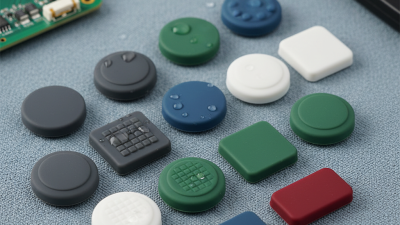
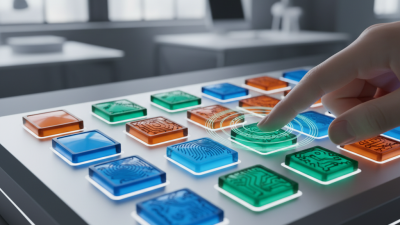
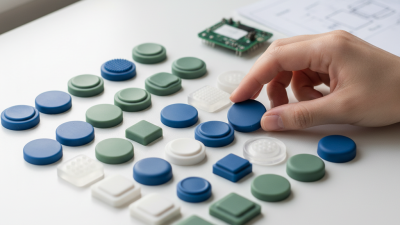
Choosing where to buy China’s best Silicone Rubber Buttons requires more than comparing prices. Reliable sourcing begins with performance, materials, and manufacturing evidence. A professional supplier should explain silicone hardness, operating temperature, button travel, contact design, and expected cycle life clearly. Small details matter. A keypad may look excellent, yet feel uneven after repeated use.
Silicone molding engineer Li Wei offers a practical reminder: “A reliable button begins with a reliable specification.” That principle shapes this guide. Buyers should request samples before approving production. Press each button repeatedly. Check rebound, surface finish, printing accuracy, and electrical conductivity. Examine the edges, too. Flashing and weak seams often reveal rushed molding.
China has many capable manufacturers, but quality is not automatic. Look for documented quality controls, traceable materials, inspection records, and experience with your application. Medical, industrial, automotive, and consumer products require different testing expectations. Ask whether the factory can support custom colors, legends, coatings, packaging, and replacement orders.
Factory audits can help, although they are not perfect. Even experienced buyers sometimes trust polished photographs too quickly. A low quotation may hide higher costs for tooling changes, rejected batches, or delayed communication. That risk deserves attention.
This article explains where to find dependable Silicone Rubber Buttons in China. It compares sourcing channels, supplier capabilities, sample evaluation, customization options, and practical verification steps. The goal is not to promise a flawless supplier. No supplier is flawless. The goal is to help buyers make a documented, sensible decision.
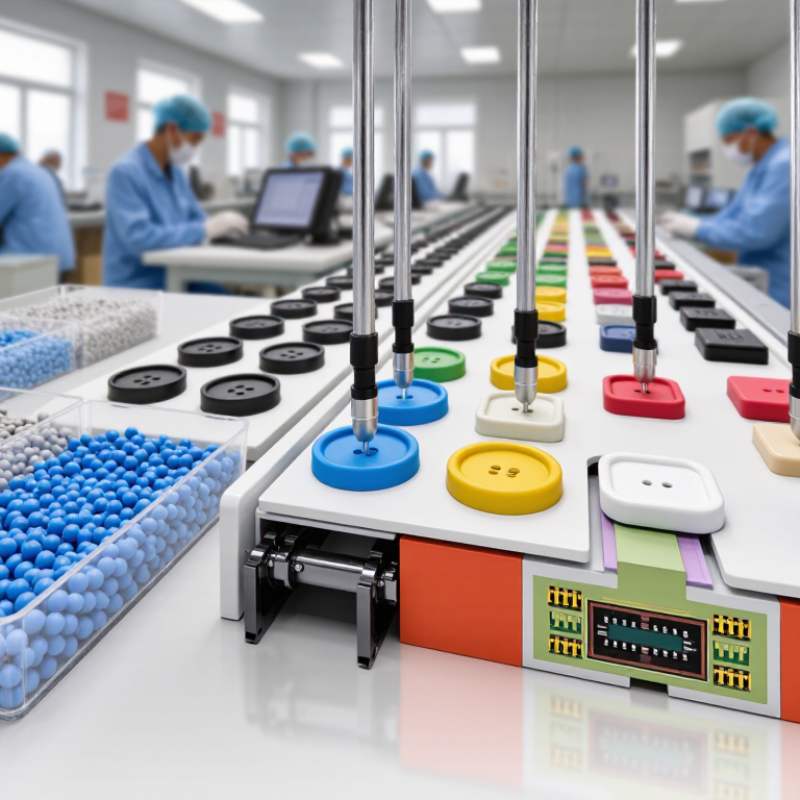
Chinese manufacturers offer several silicone rubber button types for control panels, handheld devices, and industrial equipment. Standard molded buttons suit simple on/off functions. Conductive carbon pill buttons connect with a PCB contact when pressed. They provide reliable switching and a soft, quiet response.
For illuminated panels, manufacturers can produce transparent windows, light guides, or translucent silicone sections. Laser-etched buttons reveal symbols after surface coating is removed. Screen-printed legends support colorful graphics, while molded symbols usually resist rubbing better. Multi-color molded buttons are also available, although alignment between colors may require careful tooling control.
Water-resistant silicone keypads use sealed edges and continuous rubber webs. They work well on outdoor meters, medical instruments, and factory controls. Custom keypads may include different button heights, actuation forces, and tactile feedback in one piece. Engineers normally check Shore hardness, compression set, contact resistance, and operating temperature before approving production. Ask for samples.
A sample may look excellent yet feel too stiff during repeated use. This is easy to miss. I would test at least several thousand presses, not only inspect the surface. Chinese suppliers can adjust tooling, conductive materials, coatings, and printing methods, but every change should be verified with production-like samples. Packaging, inspection records, and traceable material information also matter when selecting a dependable manufacturing partner.
When deciding where to buy China’s best silicone rubber buttons, quality standards should guide the search, not low pricing alone. A reliable supplier should clearly state silicone grade, Shore A hardness, operating temperature, and compression-set performance. These details affect button recovery, touch response, and service life. Ask for samples with matching drawings, dimensions, surface texture, and color references. Small differences matter.
Request material certificates and recent inspection records. Useful checks include tensile strength, elongation, tear resistance, dimensional tolerance, and key actuation force. For repeated-use buttons, cycle testing can reveal cracking, sticking, or delayed rebound. A capable factory should explain its testing method, equipment, and acceptance limits. Look for traceable production batches and a documented quality system. Certification alone is not enough. Verify its scope and validity.
Supplier reliability also appears in ordinary details. Do engineers review your drawings before quoting? Are mold changes recorded? Can the supplier control flash around thin button edges? Ask about pilot production, packaging, lead time, and corrective action procedures. An on-site audit or independent inspection adds useful evidence. However, even a careful process can miss a defect. A perfect sample may hide inconsistent production. Keep approval samples, define measurable standards, and inspect early batches. A cheaper offer may become expensive after rework, delays, or poor tactile performance. Clear communication is part of quality. So is admitting uncertainty.
This supplier-screening framework prioritizes the quality areas that most directly affect silicone rubber button performance. Buyers should verify material compliance, dimensional consistency, tactile life, environmental durability, inspection records, and quality-management controls before placing an order.
Relevant references may include ISO 9001 for quality management, ISO 13485 for medical-device suppliers, ISO 37 for rubber tensile testing, ISO 815-1 for compression set, ASTM D2000 for rubber material classification, and IEC 62321 for restricted-substance testing. The percentages shown are a practical screening model, not an industry-wide statistical average.
Finding China’s best silicone rubber button manufacturers requires more than a polished catalog. Look for factories with dedicated molding equipment, controlled mixing rooms, and documented inspection procedures. Ask how they manage silicone hardness, color matching, and surface finish across production batches. A capable manufacturer should answer with measured tolerances, not vague promises. Request recent sample pieces. Samples matter. Press each button repeatedly and inspect rebound, edges, and printed symbols.
Reliable suppliers explain their material grade, curing method, and testing standards in clear language. They should provide drawings, dimensional reports, and a traceable sample approval process. For industrial controls and household devices, ask for aging, compression-set, and key-life testing. These checks reflect real operating conditions. Factory audits can reveal practical details: clean storage, labeled molds, calibration records, and trained inspectors. Remote meetings help, but on-site verification remains stronger.
Price alone rarely identifies the best partner. Compare tooling fees, minimum order quantities, lead times, packaging, and communication speed. A low quote may hide weaker compounds or unstable color batches. This is easy to miss. Discuss corrective action before placing a large order. No manufacturer is perfect, and sample results may not represent every batch. Use a signed specification sheet, pre-shipment checks, and small pilot orders to reduce uncertainty. The right supplier is consistent, transparent, and willing to improve.
Where to Buy China Best Silicone Rubber Buttons
Buying silicone rubber buttons in China is less about finding the lowest quote. It is about comparing equivalent specifications. I usually request samples, drawings, and written quotations from several factories. Check hardness, operating force, color accuracy, surface finish, and expected service life. A button may look identical but feel completely different in use. Ask for material test reports and production photos. Reliable suppliers explain tolerances instead of promising perfection. That matters.
Price comparison needs a common baseline. Request tooling, sampling, packaging, inspection, and shipping as separate line items. Confirm whether the quote covers conductive carbon pills, adhesive layers, or printed symbols. A low unit price can hide expensive mold charges or high defect rates. For larger orders, calculate landed cost, not factory price alone. Request sample approval before mass production. I learned this after one attractive sample failed repeated pressing tests. Small oversight. Costly lesson.
Customization affects both price and minimum order quantity. Simple color changes may require little development, while new geometry needs tooling and tolerance reviews. Ask how many cavities the mold uses and whether future revisions require a new tool. MOQs often vary by color, material, and printing method. Negotiate a pilot run when your forecast is uncertain. However, a tiny order may carry a setup surcharge. Be realistic about quality control. A written specification, inspection standard, and replacement policy make comparisons more dependable. Do not rely on friendly promises alone.
| Supplier Category | Typical Unit Price* | Common MOQ | Customization Options | Tooling or Mold Cost | Typical Production Lead Time | Quality and Compliance Checks | Best For |
|---|---|---|---|---|---|---|---|
| Stock Silicone Button Distributor | US$0.03–US$0.20 per piece | 100–1,000 pieces | Limited colors and standard sizes; logo printing may be available | Usually none for standard items | 3–10 working days | Confirm silicone type, hardness, dimensions, color consistency, and sample approval | Small quantities, replacement parts, and product testing |
| Standard OEM Silicone Button Factory | US$0.02–US$0.15 per piece | 1,000–5,000 pieces | Custom color, dimensions, legends, surface texture, and packaging | Approximately US$100–US$800, depending on mold complexity | 10–25 working days after sample approval | Request material documentation, dimensional inspection, compression testing, and appearance inspection | Consumer electronics, control panels, appliances, and general industrial products |
| High-Volume Compression-Molding Factory | US$0.01–US$0.08 per piece | 10,000–50,000 pieces | Multi-color molding, conductive carbon pills, custom key legends, and automated assembly | Approximately US$500–US$3,000 or more for complex multi-cavity tooling | 20–40 working days after tooling confirmation | Check mold life, cavity balance, key travel, actuation force, electrical resistance, and batch traceability | Large production runs where the lowest unit cost is important |
| Medical or Wearable-Grade Silicone Manufacturer | US$0.08–US$0.60 per piece | 5,000–20,000 pieces | Medical-grade or skin-contact materials, precision dimensions, custom colors, and special finishes | Approximately US$800–US$5,000, depending on design and documentation requirements | 25–50 working days after technical approval | Verify applicable material certificates, biocompatibility documentation, cleanliness controls, and lot records | Wearables, healthcare equipment, personal-care devices, and controlled-use applications |
| Conductive Silicone Button Specialist | US$0.05–US$0.35 per piece | 2,000–10,000 pieces | Conductive carbon pills, silver-plated contacts, custom resistance values, and silicone key mats | Approximately US$300–US$2,500, depending on contact layout | 15–35 working days after electrical samples are approved | Test contact resistance, actuation force, rebound, wear cycles, insulation, and environmental aging | Remote controls, membrane-style interfaces, measuring instruments, and electronic controls |
| Premium Low-MOQ Custom Manufacturer | US$0.10–US$0.80 per piece | 500–2,000 pieces | Broad design support, rapid prototyping, custom geometry, color matching, printing, and packaging | Approximately US$150–US$1,500; prototype tooling may be available | 15–30 working days after design confirmation | Compare prototype accuracy, communication speed, sample revisions, inspection records, and packaging quality | Startups, pilot production, niche products, and customized small batches |
When sourcing China’s best silicone rubber buttons, sample verification should start with measurable details. Ask for the silicone grade, hardness range, color reference, and dimensional drawing. Check each button on a clean assembly, not only on a loose table. Press the surface repeatedly. Look for sticking, edge tearing, uneven rebound, or printed symbols that shift. Request samples from the intended mold and production material. A showroom sample may be unusually perfect.
Production capability needs evidence, not confident promises. Review the supplier’s mold records, inspection points, and curing process. Ask how they control flash, compression set, and color variation between batches. Request a small pilot run before approving mass production. Measure ten pieces from different cartons. Record results with photographs and a simple inspection sheet. This step feels slow. It prevents expensive surprises. One weakness deserves honest attention: even a capable factory can miss defects when specifications are vague.
Export verification should cover documents and packing practice. Confirm whether the supplier can prepare commercial invoices, packing lists, certificates of origin, and applicable test reports. Check carton labels, moisture protection, pallet strength, and shipping marks. Ask for previous export references without requesting confidential customer information. Review production lead times against the shipping schedule. A late document can delay a correct shipment. Keep communication in writing, including tolerances and approval limits. That record supports accountability when the first production batch differs from the approved sample.