What is Adhesive Rubber Feet and How to Choose Them?
Adhesive Rubber Feet are essential components in various industries, providing stability, cushioning, and vibration dampening. According to a recent market analysis by MarketsandMarkets, the global rubber feet market is projected to reach $1.5 billion by 2025, driven by rising demands in electronics and furniture. These feet not only enhance product durability but also improve user experience by preventing scratches and slippage.
When selecting Adhesive Rubber Feet, several factors come into play. The adhesive quality, rubber hardness, and design shape significantly influence performance. A study by TechSci Research highlights that 45% of mechanical failures in equipment are attributed to inadequate rubber foot design. Therefore, understanding specifications is crucial.
However, not all products meet ideal standards. It’s important to consider the manufacturer’s reputation and product reviews. Each application might have unique needs. Users sometimes overlook these details, resulting in suboptimal choices. Prioritizing these factors ensures better functionality and longevity.
What are Adhesive Rubber Feet and Their Uses?
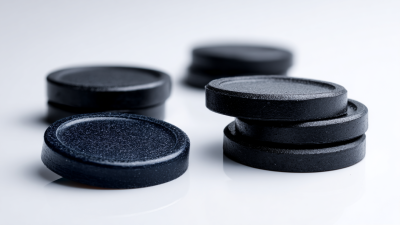
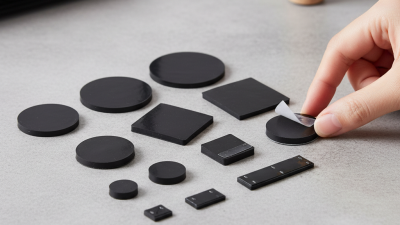
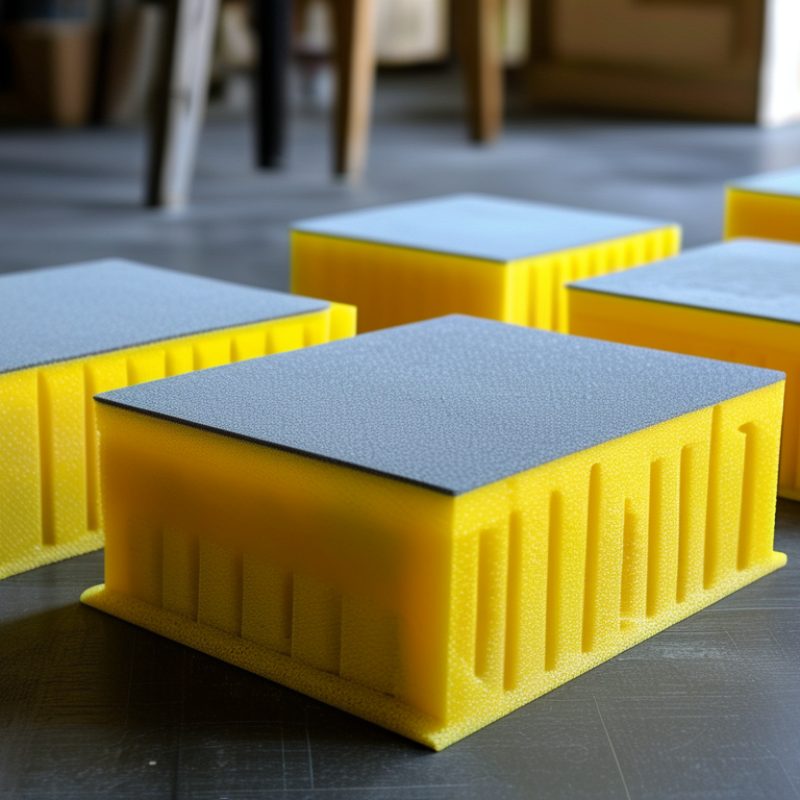
Adhesive rubber feet are small pads made from rubber that feature a sticky backing. They are used to provide grip and protect surfaces from scratches. These feet can be found on various products, including furniture, electronics, and kitchenware. Their adhesive nature allows for easy application, ensuring they stay in place for a long time.
Choosing the right adhesive rubber feet requires understanding your specific needs. Consider the weight and type of item that will rest on them. Thicker pads may be necessary for heavier objects. You might also need to assess the surface where they will be applied. Smooth surfaces often require a different adhesive quality than rougher textures. Testing a few options can help identify which fits best.
While adhesive rubber feet are practical, they can sometimes leave residue when removed. This is something to consider if you change your mind about their placement. Choosing high-quality options can reduce this issue, but there is no guarantee. Additionally, some users may find that certain rubber materials degrade faster than others, leading to a need for replacement sooner than expected. Make sure to keep an eye on their condition regularly.
What is Adhesive Rubber Feet and How to Choose Them? - What are Adhesive Rubber Feet and Their Uses?
| Type |
Material |
Size (mm) |
Color |
Usage |
Adhesive Type |
| Round |
Natural Rubber |
20 |
Black |
Furniture Protection |
Pressure Sensitive |
| Square |
Silicone |
30 |
Transparent |
Electronics Stability |
High-Temperature Adhesive |
| Self-Adhesive Pad |
EPDM Rubber |
25 |
Gray |
Industrial Equipment |
Double-Sided Tape |
| Custom Shape |
Plasticized Rubber |
15 |
White |
Home Appliances |
Permanent Adhesive |
Types of Adhesive Rubber Feet Available in the Market
Adhesive rubber feet serve crucial functions in various applications. They provide grip and cushion, preventing slippage and surface scratches. Their application ranges from furniture to electronics. Choosing the right type is essential for optimal performance.
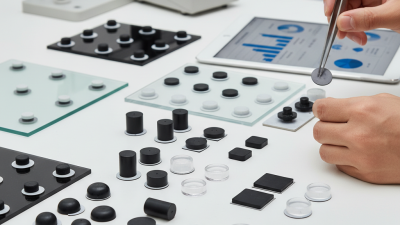
Several types of adhesive rubber feet are available. For example, soft rubber feet are ideal for delicate surfaces. They conform well and protect against marks. Harder rubber feet are suited for industrial use. Their durability helps in high-traffic areas. Additionally, some feet come with specialized adhesives for different surfaces. This ensures a secure bond.
However, selecting adhesive rubber feet is not always straightforward. Users may experience difficulty in matching the material to the surface. Sometimes, the adhesive may not perform as expected, leading to potential failures. It is crucial to test samples before making a decision. Taking time to consider these factors could save future headaches. Understanding the specific needs can enhance the effectiveness of the chosen feet.
Key Factors to Consider When Choosing Adhesive Rubber Feet
When selecting adhesive rubber feet, several key factors come into play. The primary considerations include material composition, adhesive strength, and overall durability. According to the Adhesive and Sealant Council, the right material can enhance performance, particularly under varying temperature and stress conditions. High-quality rubber feet can absorb vibrations and prevent slippage effectively.
Tip: Always assess the surface where the rubber feet will be applied. Smooth surfaces need a different adhesive strength compared to textured or porous ones. Checking for compatibility can save time and effort.
Another critical factor is size and shape. These dimensions affect stability and function. A report by the Rubber Manufacturers Association indicates that improper sizing can lead to a reduced lifespan and diminished effectiveness. Additionally, consider environmental exposure. Rubber feet may degrade when exposed to sunlight or moisture.
Tip: Test different adhesives in small areas before full application. This ensures better adhesion and performance in the long run. Reflecting on these aspects helps in making an informed decision, leading to better usability and durability in the final product.
Choosing Adhesive Rubber Feet: Key Factors
This bar chart illustrates the importance levels (on a scale of 1 to 10) of key factors when choosing adhesive rubber feet. Material and adhesive strength are the most critical factors, while temperature resistance is considered slightly less important.
How to Properly Apply Adhesive Rubber Feet for Maximum Effectiveness
Adhesive rubber feet are essential for various applications, providing stability and protection. Proper application ensures maximum effectiveness. Start by cleaning the surface thoroughly to promote adhesion. Dust or grease can reduce the effectiveness of the adhesive. According to a report from the Adhesive and Sealant Council, surface preparation is critical in achieving a bond strength of up to 80% higher.
When applying rubber feet, pressure is key. Apply firm pressure for at least 30 seconds. This ensures the adhesive spreads evenly. A case study noted that improper pressure application resulted in a 25% failure rate. Keep the feet away from extreme temperatures initially, as heat can compromise the adhesive bond.
Placement also matters. Position the feet where weight distribution is balanced for stability. Misplaced feet can lead to wobbling or excessive wear. Reports indicate using feet on uneven surfaces without proper assessment can reduce their lifespan by up to 50%. Users often overlook these details, leading to disappointing outcomes. A simple adjustment can significantly enhance performance and longevity.