How to Choose Tapered Rubber Plugs?
Tapered Rubber Plugs can look simple, but choosing the wrong size or compound may lead to leaks, difficult removal, or surface damage. A reliable choice starts with the job: identify the opening, the material being protected, and the conditions the plug will face. Measure the opening at its narrowest and widest points, then check the plug’s taper and usable insertion depth. Small differences matter.
Fit is only part of the decision. Consider whether the rubber must resist oil, water, cleaning agents, heat, or repeated handling. Material names alone do not tell the whole story; ask suppliers for compatibility data and stated temperature limits. Check whether the plug needs a handle, a hollow center, or a specific color for quick identification. Keep the intended removal method in mind, too. A plug that seals well can still be awkward to pull out.
Test before ordering in volume. Use a sample in the actual opening, and inspect the seal, grip, and removal effort under realistic conditions. Watch for compressed or marked edges. A snug fit is not always a good fit. Measurements can be imperfect, especially on worn or irregular openings, so record what the sample reveals. This guide explains how to compare dimensions, rubber properties, and practical features when selecting Tapered Rubber Plugs. Careful checks make the decision clearer, though no checklist replaces testing in the intended application.
Understanding the Shape and Function of Tapered Rubber Plugs
How to Choose Tapered Rubber Plugs?
Understanding the Shape and Function of Tapered Rubber Plugs
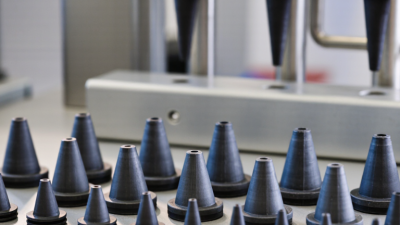
Tapered rubber plugs are wider at one end and narrower at the other. This gradual shape lets a plug enter an opening and seat as pressure increases. Unlike a straight-sided plug, it may fit openings with slightly different diameters. That flexibility helps, but it does not replace careful measuring.
Measure the opening and its depth, then compare them with the plug’s narrow and wide ends. The plug should seal without being forced so far that it deforms or becomes difficult to remove. A snug fit matters. Too loose, and dust or liquid may pass around it; too tight, and the rubber can roll, tear, or stress the part. A hand-fit test can reveal issues that a size chart misses. Small differences count.
Material matters as much as shape. Consider the temperature, fluids, sunlight, and whether the plug needs to be reused. Rubber compounds vary in hardness and resistance, so check technical specifications rather than guessing from color or feel. For a temporary cover, easy removal may matter most. For repeated use, consistent seating is important. One detail is easy to overlook: a tapered plug can appear secure before it is fully seated. Check its position after installation, especially where vibration or rated operating pressure is involved.
How to Choose Tapered Rubber Plugs? — Understanding Their Shape and Function
How to read this chart: For an ideal cone, the diameter increase over an insertion distance is calculated as 2 × distance × tan(half-angle). These examples show the geometric increase after 10 mm of insertion; a larger half-angle widens more quickly. Actual rubber plugs may deform, so check the plug material, opening dimensions, and required fit when selecting a plug.
Identifying the Opening’s Dimensions and Application
Before choosing a tapered rubber plug, measure the opening rather than relying on its nominal size. Use calipers to check the inside diameter at the rim and slightly deeper in the bore. A tapered plug changes diameter along its length, so these two readings help identify where it should grip. Note the available depth, too. A plug that bottoms out before its wider section reaches the opening may sit loosely.
Check the opening for ovality, burrs, or surface damage. A single measurement can miss these details. If the bore is irregular, measure across more than one direction and test the fit gently; forcing a plug can distort it or damage the edge. It should seat firmly without excessive pressure. A little uncertainty is normal.
The application matters just as much as the dimensions. For masking during finishing, consider whether the rubber can tolerate the process temperature and contact materials. For dust protection or a simple seal, check that the plug’s material suits the expected exposure. Also confirm whether the task involves pressure; an ordinary tapered plug should not be treated as pressure-rated unless its specifications say so. Record the opening size and intended use before comparing plug dimensions.
Selecting Rubber Material for Operating Conditions
How to Choose Tapered Rubber Plugs?
Selecting Rubber Material for Operating Conditions
Choose a rubber compound for the conditions the plug will actually face, not just its shape. Note the operating temperature, contact fluids, outdoor exposure, and expected time in service. A plug used in a warm oil bath needs different resistance from one sealing a cool water pipe. Nitrile rubber often suits oil contact, while EPDM commonly performs well with water and weather. Silicone handles a broad temperature range, but may not resist tearing as well. Always check compound-specific data; material names alone do not guarantee compatibility.
Fit matters too. A tapered plug should compress enough to seal, but excessive force can distort it or make removal difficult. Measure the opening and check the plug’s hardness and diameter against the application. If chemicals are involved, confirm compatibility using reliable technical data and, where practical, a small test. It is easy to focus on temperature and miss cleaning fluids or brief exposure to another liquid. That detail can change the choice.
Tips: Record the fluid, temperature range, and exposure time before selecting a compound. Check the seal after installation. A simple trial helps. When conditions are uncertain, leave room to reassess rather than assuming the first choice will last.
Matching Plug Taper, Length, and Diameter to the Opening
How to Choose Tapered Rubber Plugs?
Matching Plug Taper, Length, and Diameter to the Opening
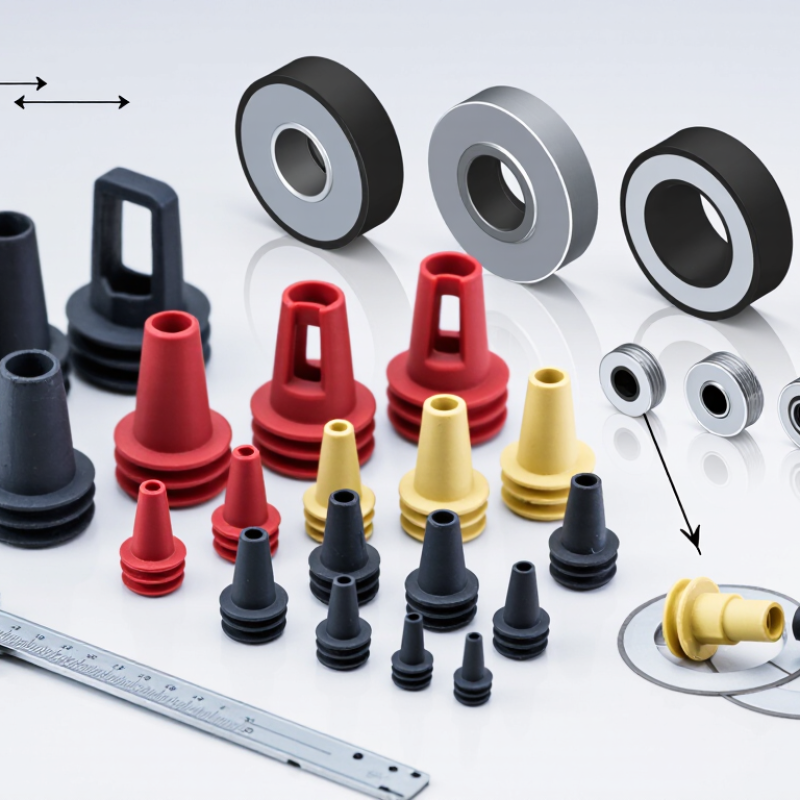
Measure the opening at its rim and slightly below it. A caliper helps, but irregular or worn holes may need several readings. The plug’s taper should follow the opening’s wall: too steep, and it may grip only at the edge; too shallow, and it may sit too far in. Small differences matter.
Check the diameter where you want the plug to seat, not just its widest point. Rubber compresses, so a plug slightly larger than that opening may seal firmly. Too much oversizing can make insertion difficult or distort the plug. The useful amount depends on the rubber’s firmness and the opening’s shape. Test gently.
Match plug length to the opening’s depth. Leave enough material exposed to grasp, and avoid pushing a long plug against the bottom of a blind hole. I’ve seen careful measurements miss a shoulder inside the opening. That happens. Check the fit by hand, look for even contact around the rim, and adjust if the plug tilts or slips.
How to Choose Tapered Rubber Plugs? - Matching Plug Taper, Length, and Diameter to the Opening
| Suggested Opening Diameter (mm) |
Small-End Diameter (mm) |
Large-End Diameter (mm) |
Plug Length (mm) |
Selection Guidance |
| 3–5 |
2 |
6 |
20 |
For small openings; seat the plug where its diameter is close to the opening size. |
| 5–8 |
4 |
9 |
25 |
Choose a seating depth that provides light, even compression around the opening. |
| 8–12 |
7 |
13 |
30 |
Check the plug diameter at the intended insertion depth, not only at either end. |
| 12–18 |
11 |
19 |
35 |
A longer plug offers more adjustment in seating depth for openings in this range. |
| 18–25 |
17 |
26 |
40 |
Confirm that the opening edge is smooth enough to avoid cutting or damaging the rubber. |
| 25–35 |
24 |
36 |
45 |
Use the taper span to set insertion depth; do not force an oversized section into the opening. |
How to use this guide: Dimensions are indicative selection ranges in millimetres. Measure the opening’s inside diameter, then match it to the plug’s outside diameter at the intended seating depth. Actual fit depends on plug material, hardness, opening tolerance, and service conditions; verify the fit before use.
Checking Seal Quality, Retention, and Ease of Removal
How to Choose Tapered Rubber Plugs?
Check the seal on the actual opening, not just the plug’s widest diameter.
Measure the bore at several points; molded parts and cut tubing can vary. Insert the plug by hand and look for even contact around its tapered sides. A visible gap, tilted plug, or sudden drop in insertion force can signal poor fit. Parker’s O-Ring Handbook discusses radial squeeze ranges of roughly 10–40% for many seal designs. That is a reference, not a tapered-plug specification, so don’t apply it blindly. Rubber hardness and plug geometry matter.
Retention should hold during handling and expected pressure changes, without making removal a struggle.
Test a sample in the real material and temperature range: record insertion force, then pull force with a spring scale, repeating the test after exposure or cycling. There is no universal safe pull-force target; the application sets it. For material checks, ASTM D395 measures compression set, or the loss of recovery after prolonged compression. A plug that takes a permanent set may seal poorly after storage. Small detail, big consequence.
Removal matters too.
Leave enough exposed lip for gloved fingers or a blunt tool, and avoid sharp edges that can tear the rubber. Try removal after the plug has remained installed, not only when it is fresh. One imperfect test is worth repeating: surface lubricant can make insertion easy while reducing retention. Record the plug size, bore size, temperature, and test results so another person can reproduce the check.