7 Tips for Choosing Tapered Rubber Plugs
Choosing Tapered Rubber Plugs can look simple until a plug slips, leaks, or refuses to seat evenly. The right choice depends on more than the opening’s visible diameter. Measure the hole at both ends, note its depth, and check whether the surface is smooth, threaded, or irregular. A plug that fits one opening may not suit another.
Material, taper, and working conditions all matter. Consider exposure to heat, moisture, oils, cleaning agents, and repeated handling before selecting a compound. Check the product’s dimensions and stated temperature range rather than relying on appearance alone. Small details matter. A plug used for temporary masking may need different qualities from one intended to seal a vessel or protect a component during finishing. If the application carries pressure or other safety risks, consult the manufacturer’s specifications or a qualified professional.
This guide shares seven practical tips for evaluating size, material, fit, and durability. You’ll learn how to compare measurements, test a secure fit, and avoid common selection mistakes. Fit is not guesswork. Still, measurements can be imperfect, especially when openings are worn or hard to reach. Record what you measure, test cautiously where appropriate, and reassess if the plug loosens, deforms, or shows wear. A careful choice can save time and reduce rework.
Understanding the Purpose and Application of Tapered Rubber Plugs
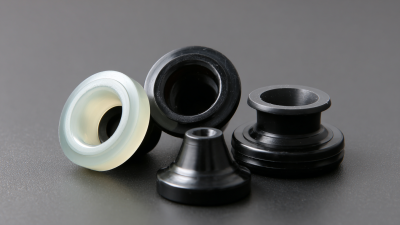
Tapered rubber plugs close openings, shield internal surfaces, or mask holes during finishing and maintenance. Their cone shape allows one plug to fit a range of opening diameters. The wider end provides a grip, while the narrower tip enters a small bore. Fit matters. Match the plug’s material to the fluid, temperature, and process; oils and cleaning chemicals can affect rubber differently.
A snug fit should seal without excessive force. Measure the opening at its surface, then check its depth and shape. A plug that wedges too deeply may deform or become difficult to remove. One that barely engages may loosen when bumped. For context, the U.S. Department of Energy’s Improving Compressed Air System Performance sourcebook reports that leaks can waste 20–30% of compressor output in poorly maintained compressed-air systems. This is not a plug-performance figure, but it underscores why seals and closures deserve inspection.
Tapered plugs are useful for temporary protection, but appearance alone cannot confirm pressure suitability. Not by sight alone. Use only plugs specified for the intended pressure and temperature, and never treat an unrated plug as a pressure-retaining component. ASTM D2000 classifies rubber materials by properties such as heat and oil resistance, helping purchasers specify suitable compounds. Check for cracks, swelling, or a loose fit before reuse. I would still verify compatibility with the process fluid; a material chart cannot capture every real-world exposure.
7 Tips for Choosing Tapered Rubber Plugs
Understanding the Purpose and Application of Tapered Rubber Plugs
Illustrative Taper: Diameter Along the Plug
This geometric example shows a linear taper from 10 mm to 20 mm across a 30 mm plug length; intermediate diameters are calculated from those endpoints. It is not a universal size guide. Measure the opening and required insertion depth, then check material compatibility and temperature requirements before selecting a plug.
Measuring the Opening for a Secure Fit
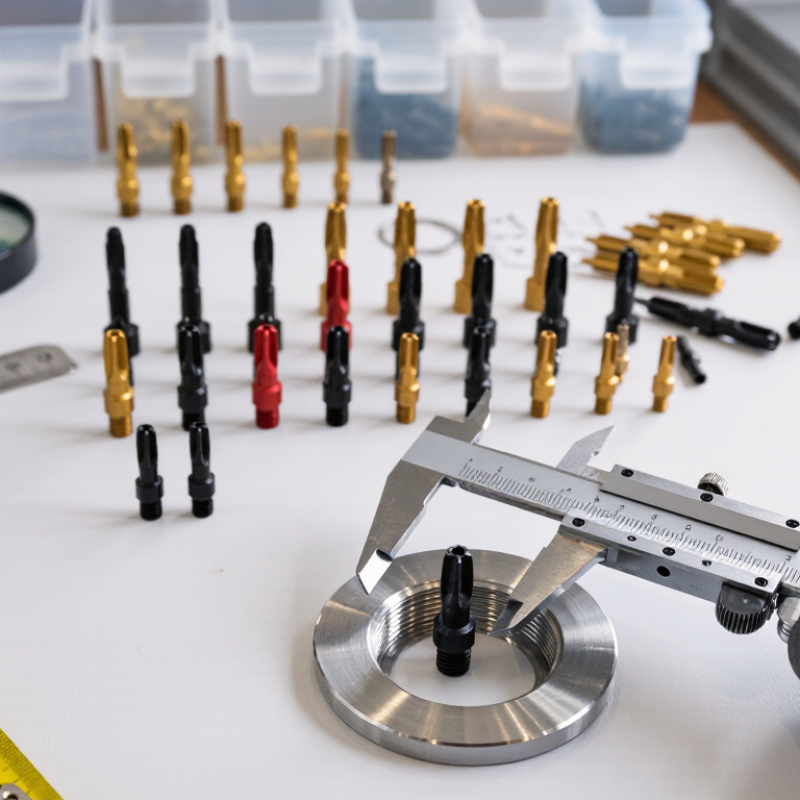
Start with the opening, not the plug. Use a caliper to measure its inside diameter at the point where the plug should sit. Check more than one direction: a worn or molded opening may be oval rather than round. Small details matter. Record the widest and narrowest readings, then measure the opening’s depth and note any shoulder, groove, or uneven edge. These features can change how far a tapered plug enters.
Match those measurements to the plug’s diameter along its taper, at the intended seating depth. A snug fit should provide steady contact without requiring excessive force. Do not guess. If the opening varies, compare the plug against both measurements and follow its sizing guidance; rubber can compress, but that does not make every mismatch safe or reliable. I find it tempting to measure only the rim, yet that can miss a narrower section farther inside. Check for oil, heat, or rough surfaces too, since these can affect grip and material life. If the fit seems loose, rocks from side to side, or needs hard pushing, recheck the measurements rather than forcing it.
Matching Rubber Material to the Environment
A tapered rubber plug may sit against coolant, cleaning fluid, outdoor air, or hot process equipment. Match the compound to the actual exposure, not just the plug’s shape. Typical engineering selection tables place nitrile rubber near −40 to 120°C, EPDM near −50 to 150°C, and silicone near −55 to 200°C. These are screening ranges, not guarantees; formulation, hardness, and continuous exposure change performance. Check the supplier’s compound data before ordering.
Fluid compatibility matters just as much. Nitrile is commonly selected for oils, while EPDM generally suits water and weathering better; either choice can fail in an incompatible liquid. ASTM D471 measures rubber changes after liquid exposure, including volume and mass changes. ASTM D573 evaluates aging in hot air. Ask for test results relevant to your fluid and temperature, rather than relying on a generic “chemical-resistant” label. Small details count: a plug kept beside a sunny window may see more ozone and heat than one stored in a cool cabinet. I still treat a chart as a starting point, not a verdict. Test a sample under real conditions when exposure is uncertain.
Choosing the Right Plug Shape, Size, and Firmness
A tapered plug should match the opening’s shape and the way it will be seated. For a round port, compare the plug’s diameter at the intended seating depth with the port’s inside diameter. For an oval or uneven opening, measure in more than one direction; a single reading can hide a poor fit. Fit comes first. Check the taper length, too. A short taper may stop at the rim, while a long one can sink too far and become difficult to remove.
Measure the opening and its depth with calipers, then mark the plug’s target insertion point. The plug should compress enough to stay seated without buckling or needing excessive force. Material swelling, temperature, and surface condition can change the fit, so leave room for real operating conditions. A dry bench test is useful, but it is not the whole story.
Firmness affects both insertion and grip. ASTM D2240-15(2021), the Standard Test Method for Rubber Property—Durometer Hardness, uses a 0–100 durometer scale for Shore A readings. That number helps compare materials; it does not directly predict sealing force. Softer rubber can conform to small surface defects, but may deform more under load. Harder rubber can resist deformation, yet may not seal a rough opening well. One caveat: hardness charts are only a starting point. Test the chosen plug in the actual port, and reconsider the selection if it slips, distorts, or needs excessive pressure.
Checking Performance, Reusability, and Quality, Before Purchase
Before buying tapered rubber plugs, test a sample under conditions close to actual use.
Check the stated temperature and chemical compatibility against the fluid, cleaning agent, and exposure time. A plug that fits when dry may swell, soften, or stiffen after contact. Test the seal in the actual opening, not against a catalog sketch. Look for an even taper, clean edges, and a firm surface without cracks or sticky patches.
Small details matter.
Measure insertion force and check for leakage; too much force can distort the plug, while a loose fit may let it creep out.
Reusability needs proof, too.
Remove, clean, and reinsert a sample several times, then inspect it for cuts, flattening, or reduced spring-back. Record the cycle count and conditions, even if the results seem less impressive than expected. Compare several plugs from the same lot; uneven dimensions can lead to inconsistent sealing. I once treated “reusable” as a simple yes-or-no label. It is not. For quality checks, request material identification, dimensional tolerances, and batch inspection records. If information is missing, note the uncertainty and run a small trial before ordering larger quantities.