Choosing the right rubber mounts can significantly impact the performance and longevity of equipment. These mounts absorb vibrations and reduce noise, making them essential in various applications. However, many people overlook critical aspects when selecting rubber mounts, leading to poor choices.
Understanding the different types of rubber mounts is key. There are various styles, each designed for specific uses. A well-chosen rubber mount can enhance stability and efficiency. However, an unsuitable mount can lead to equipment failure or increased wear and tear.
When considering rubber mounts, evaluating factors like load capacity and environmental conditions is crucial. Quality materials also play a vital role. However, it's easy to get overwhelmed by the options available. Many users make the mistake of prioritizing cost over quality, which can lead to regret later. A thoughtful approach to selecting rubber mounts can yield better results in the long run.
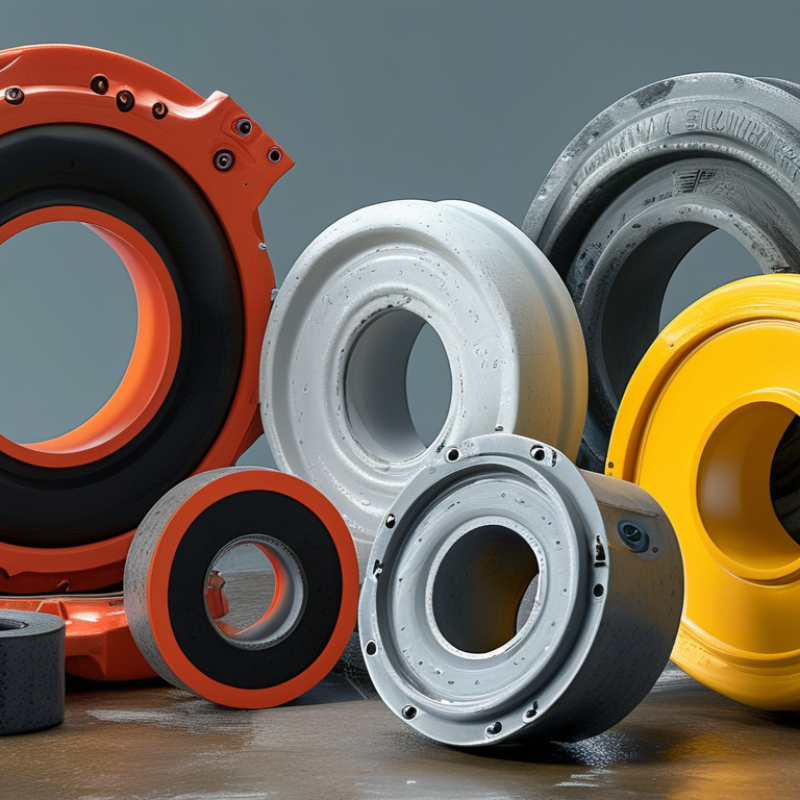
Rubber mounts play a crucial role in many applications. They provide insulation and vibration dampening. Understanding their basics is essential. Different types exist, each serving unique functions. Some are designed for heavy machinery, while others are more suited for light equipment. The choice often depends on load requirements and environmental factors.
The performance of a rubber mount hinges on its material properties. They can absorb shocks, reducing stress on connected components. This helps extend the life of machinery. However, not all mounts are ideal for every situation. Factors such as temperature and exposure to chemicals can affect durability. It’s important to consider these aspects during selection.
Another aspect is the mount's stiffness. Stiffer mounts reduce movement but allow more noise transfer. Softer mounts can absorb more shock but may compromise load stability. Aiming for the right balance is key. Learning from past mistakes can guide better choices. Each application may need experimenting with different mounts to find the perfect fit.
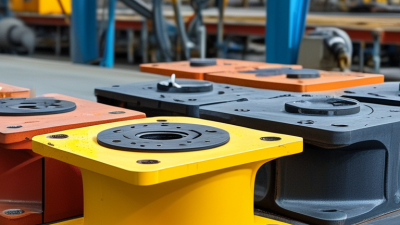
When selecting rubber mounts, load-bearing capacity is crucial. Typically, rubber mounts can support loads ranging from
50 pounds to several tons, depending on their design and material composition. For example, a report by the
Rubber Manufacturers Association highlights that the proper selection of mount specifications can improve equipment
longevity by up to 30%. This statistic underscores the importance of aligning load capacity with the
equipment's weight and operation.
Weight distribution also plays a significant role in the effectiveness of rubber mounts. Uneven weight distribution can
lead to premature wear, affecting not just the mounts, but the overall structure as well. Research shows that improper
weight alignment can reduce functionality by as much as 20%. To mitigate these issues, choose mounts that
provide optimal contact area and balance. Consideration of these factors is paramount to ensuring reliability and safety
in structural applications. Inadequate planning may result in increased maintenance costs and potential failures,
highlighting the need for careful assessment.
When selecting rubber mounts, evaluating material quality and durability is crucial. Rubber mounts often face harsh environments. The right materials can resist wear and tear over time. Consider natural rubber for its elasticity. It offers great shock absorption. Synthetic options like neoprene provide better resistance to oils and temperature changes. These materials can enhance longevity.
Testing the thickness of rubber is essential for durability. Thicker mounts generally withstand higher loads. However, thicker isn’t always better. Too much thickness may limit flexibility. Look for a balance that fits your application. Environmental resistance is another key factor. Some rubber mounts perform poorly in extreme temperatures. Select mounts that are rated for your specific usage conditions.
Visual inspection can provide insights into quality. Any visible cracks or imperfections indicate poor manufacturing. Engaging with suppliers is valuable. Asking for material certifications can help ensure reliability. Trustworthy suppliers offer detailed data on their products. Educate yourself about different rubber compounds. Awareness will support informed decisions.
| Tip No. | Tip Title | Description | Material Quality Indicators | Durability Factors |
|---|---|---|---|---|
| 1 | Identify Application Needs | Understand the specific requirements of your application for optimal performance. | Check for hardness scale and tensile strength. | Consider compression set and fatigue life. |
| 2 | Evaluate Environmental Resistance | Assess how rubber mounts perform in various environmental conditions. | Look for resistance to UV, ozone, and chemicals. | Consider temperature range stability. |
| 3 | Consider Load Capacity | Determine the load requirements for your application. | Check the static and dynamic load ratings. | Consider dynamic stiffness measurements. |
| 4 | Assess Vibration Damping | Evaluate how effectively the mount reduces vibrations. | Check damping coefficient ratings. | Review tests on transmissibility. |
| 5 | Look for Proper Sizing | Ensure the mount fits correctly within the application. | Calculate inner and outer diameters. | Assess overall height and length requirements. |
| 6 | Analyze Frequency Response | Understand the frequency ranges relevant to your application. | Review data on resonance frequencies. | Assess isolation efficiency at different frequencies. |
| 7 | Inspect Mounting Options | Verify the types of mounts available for installation. | Check for bolt types and spacing. | Evaluate ease of installation and access. |
| 8 | Assess Lifecycle Cost | Consider the total cost including maintenance and replacements. | Analyze initial purchase cost versus performance. | Look for warranties to evaluate longevity. |
| 9 | Consult Expert Recommendations | Seek advice from industry professionals or manufacturers. | Review expert opinions on material type. | Consider feedback on durability and performance. |
| 10 | Test Prototype Options | Implement a prototype to test the selected rubber mount. | Evaluate prototype against specified quality criteria. | Conduct real-world performance assessments. |
When selecting rubber mounts, vibration damping characteristics are crucial for optimal performance. These characteristics determine how well a mount can absorb vibrations, which is pivotal in applications ranging from automotive to industrial machinery. According to industry reports, effective vibration damping can reduce equipment wear and tear by up to 50%. The right selection can significantly improve comfort and reliability.
Tip: Analyze your specific application requirements. Consider factors like load capacity, environment, and frequency range. For instance, high-frequency vibrations may require softer mounts to absorb energy better. Manufacturers often provide detailed specifications, including dynamic stiffness and load-deflection characteristics. Comparing these can guide your choice.
Another important factor is environmental resistance. Rubber mounts are often exposed to various conditions. Inadequate resistance can lead to premature failure. Reports indicate that mounts with superior oils and UV resistance have a longer lifespan.
Tip: Don’t overlook testing data. If available, review real-world performance studies. These insights can clarify how a rubber mount performs over time in your specific application. Always weigh options and ensure that decision-making is based on rigorous analysis and sound engineering principles.
When selecting rubber mounts, it is crucial to identify appropriate mounting methods and installation requirements. Proper installation ensures optimal performance and longevity of the mount. Begin by assessing your specific application. Understanding the load, motion types, and environmental conditions is vital. Rubber mounts can vary significantly in design, and not every type is ideal for every situation.
Consider the installation space available. Space constraints may limit your options. In some cases, specialized mounts may be necessary. Always refer to the manufacturer's guidelines for installation practices. Misalignment or using incorrect mounting methods can lead to premature failure. Remember, a well-installed mount provides stability but requires careful attention to detail.
When evaluating options, think about the level of vibration and shock you need to manage. Soft mounts absorb vibrations well, while stiffer options provide more support. Selecting the right hardness is not always straightforward. It's common for users to underestimate the impact of a poor selection. Testing various types in your application can yield insightful results. Each situation is unique, and being flexible with your choices is important for finding the best solution.