Top 10 Rubber Extrusions for Effective Industrial Applications?
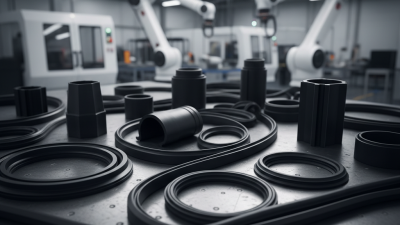
Rubber extrusions play a pivotal role in various industrial applications. We often overlook their significance in everyday products, from automotive parts to weather stripping. Renowned expert, Dr. Emily Carter, emphasizes, "Rubber extrusions are essential in ensuring product durability and efficiency." This highlights their crucial role in enhancing functionality across diverse industries.
In the dynamic world of manufacturing, choosing the right rubber extrusion can make a difference. They provide sealing solutions, vibration dampening, and protection against environmental factors. Yet, not all extrusions are created equal. Industries must be cautious in selecting the right type. Investing in quality rubber extrusions can yield substantial long-term benefits.
However, businesses occasionally face challenges with rubber extrusion processes. They require precise specifications and skilled craftsmanship. Missteps in production can lead to failures in application, impacting reliability. Continuous evaluation and adaptation are vital in this field. Each extrusion should meet specific needs effectively, ensuring optimal performance in its intended application.
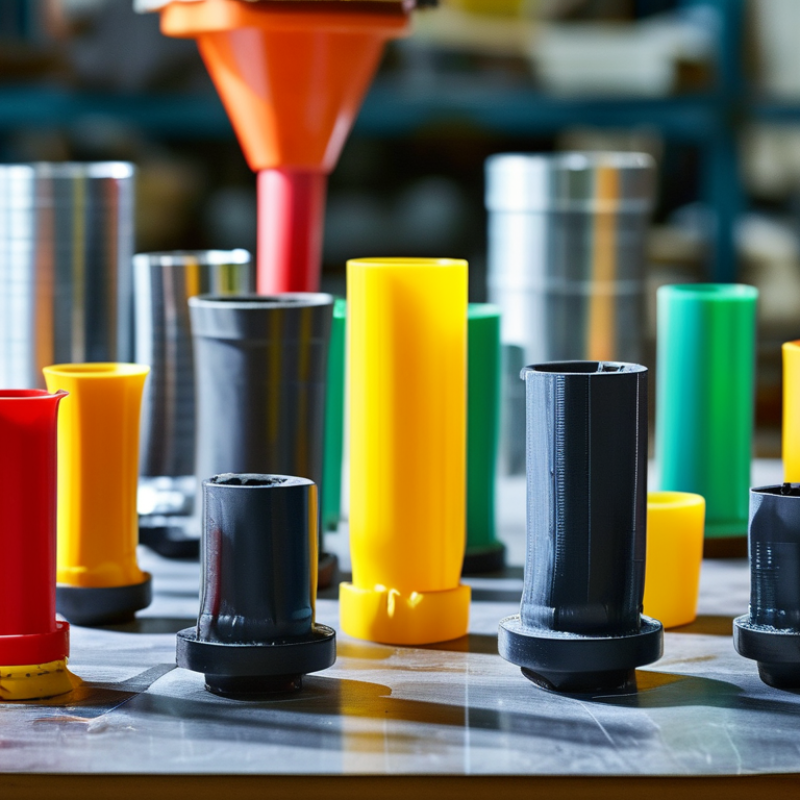
Overview of Rubber Extrusions in Industrial Applications
Rubber extrusions play a vital role in various industrial applications. From automotive components to seals for machinery, the versatility of rubber materials is crucial. According to a report by MarketsandMarkets, the global rubber extrusion market is projected to reach USD 7.2 billion by 2025, reflecting a growing demand across numerous sectors.
Different types of rubber extrusions cater to specific needs. For instance, EPDM is favored for outdoor applications due to its weather resistance. In contrast, silicone rubber works well in high-temperature environments. Companies must consider the specific properties required for their projects, including durability, flexibility, and resistance to chemicals. This decision-making process often highlights the need for deeper understanding and mastery of material science.
Despite advancements, challenges remain. Manufacturers sometimes face issues with inconsistent quality or delays in production. These problems can affect supply chains and project timelines. It's crucial for businesses to work closely with suppliers to ensure standards are met. Investing in quality control measures can help mitigate these risks, ultimately leading to more reliable outcomes in industrial applications.
Key Properties of Rubber Extrusions for Industrial Use
Rubber extrusions play a crucial role in various industrial applications. Their key properties make them indispensable for many sectors. For instance, rubber has excellent elasticity. This allows it to return to its original shape after deformation. A study by the American Rubber Society highlighted that rubber can stretch up to 200% of its original length. This property is crucial for gaskets and seals that need to maintain their integrity under pressure.
Durability is another important aspect. Rubber extrusions resist wear and tear, contributing to their longevity. According to a report from the International Rubber Study Group, rubber parts can withstand significant mechanical stress without failing. These extrusions can also endure various environmental factors like moisture, temperature fluctuations, and UV radiation. This adaptability ensures they can operate effectively in diverse industrial settings.
Chemical resistance is a vital feature too. Certain rubber compounds can resist harsh chemicals, making them ideal for the chemical processing industry. However, it's important to note that not all rubber materials have the same level of chemical resistance. Some may degrade over time. This variability necessitates careful selection based on specific application needs. In conclusion, understanding these properties guides industries in choosing the right rubber extrusions for optimal performance.
Top 10 Rubber Extrusion Profiles and Their Applications
Rubber extrusion profiles are crucial in various industrial applications. They play a significant role in creating seals, gaskets, and protective barriers. Different profiles serve unique purposes, enhancing efficiency and durability in operations across multiple sectors.
For example, the "U-channel" profile is commonly used in construction and automotive industries. It provides strength while allowing for flexibility. The "T-slot" profile often appears in machinery, helping to secure components in place. Another popular type is the "flat strip," widely utilized for weather stripping and cushioning. Choosing the right profile can make a significant difference in manufacturing processes.
However, the selection process has its challenges. Many factors come into play: temperature resistance, chemical exposure, and wear are just a few. Companies may overlook these aspects, leading to costly mistakes. Understanding the specific demands of each application can guide better choices. The right rubber extrusion can enhance product lifespan. Balancing these details is essential for optimal performance and reliability in industrial settings.
Factors to Consider When Choosing Rubber Extrusions
When selecting rubber extrusions for industrial applications, several factors come into play. Material choice is crucial. Different rubber compounds have varying properties, such as flexibility, durability, and temperature resistance. For environments with extreme temperatures, high-performance rubber is necessary. Evaluate the application's demands to determine the right material.
Another important consideration is the extrusion process itself. Different methods will produce distinct profiles and surface finishes. Understanding these nuances will help ensure that the chosen extrusion fits seamlessly into your operation. It’s critical to think about how the extrusion interacts with other components. Poor-fitting parts can lead to operational inefficiencies.
Lastly, recycling and waste management should not be overlooked. Sustainable practices are becoming a priority in many industries. Selecting recyclable materials and working with suppliers committed to sustainability can enhance your company’s reputation. Continuous reflection on these factors can lead to better choices and, ultimately, improvements in performance.
Top 10 Rubber Extrusions for Effective Industrial Applications
| Type of Rubber Extrusion |
Application Area |
Temperature Resistance (°C) |
Thickness Range (mm) |
Material Composition |
Key Features |
| EPDM |
Automotive Seals |
-40 to 120 |
1.5 - 5 |
Ethylene Propylene Diene Monomer |
Weather Resistant |
| Neoprene |
Industrial Applications |
-30 to 90 |
2 - 10 |
Chloroprene Rubber |
Oil Resistant |
| Silicone |
High-Temperature Applications |
-60 to 200 |
1 - 5 |
Silicone Polymer |
High Flexibility |
| Viton |
Aerospace Seals |
-20 to 200 |
1 - 3 |
Fluorocarbon Rubber |
Chemical Resistant |
| SBR |
Construction Industry |
-30 to 80 |
3 - 15 |
Styrene-Butadiene Rubber |
Cost-Effective |
| NR |
Tire Manufacturing |
-20 to 60 |
2 - 8 |
Natural Rubber |
Excellent Elasticity |
| TPR |
Consumer Goods |
-20 to 80 |
1 - 6 |
Thermoplastic Rubber |
Versatile and Durable |
| Butyl |
Sealants |
-30 to 100 |
1 - 4 |
Isobutylene-Isoprene Copolymer |
Air Tightness |
| TPE |
Seals and Gaskets |
-20 to 90 |
1 - 7 |
Thermoplastic Elastomer |
Recyclable |
Future Trends in Rubber Extrusions for Industrial Sectors
The industrial sector is witnessing a significant transformation in rubber extrusions. According to recent data from industry experts, the global rubber extrusion market is projected to reach $43.8 billion by 2026. This growth is propelled by advancements in manufacturing techniques and an increasing focus on sustainability. Companies are now seeking high-performance materials that can withstand harsh conditions and environmental challenges.
Future trends indicate a growing demand for specialized rubber formulations. Industries such as automotive and aerospace are adopting lighter, stronger, and more durable rubber solutions. For instance, rubber extrusions with enhanced thermal and chemical resistance are becoming essential in these applications. The use of digital technologies, such as 3D printing, is also reshaping rubber extrusion processes. While these innovations offer enhanced customization, they may require a re-evaluation of traditional production methods.
Despite the promising advancements, challenges remain. Not all manufacturers have embraced these new technologies, leading to inconsistent quality and performance. A sector-wide commitment to quality assurance and continuous improvement is essential. Maintaining regulatory compliance while optimizing production can be a delicate balance for many businesses. Sustainability goals can also conflict with supply chain constraints, warranting a critical review of existing strategies in the industry.