2026 Best Rubber Extrusions for Global Buyers Needs?
In the competitive landscape of manufacturing, understanding the needs of global buyers is crucial. Rubber extrusions play a significant role in various industries, from automotive to construction. According to industry expert Dr. Emily Carter, "The quality of rubber extrusions can directly impact product performance." This statement highlights the importance of selecting the right materials for any project.
Buyers must be aware of the evolving trends in rubber extrusions. Innovations in material science are shaping the future of this industry. Flexible designs and improved durability are just a few aspects driving demand. However, not all suppliers meet the high standards expected by today's consumers. It is essential to assess the reliability and expertise of potential partners.
Concerns often arise regarding the consistency and quality of rubber extrusions. Some manufacturers may cut corners to reduce costs, leading to inferior products. Buyers should prioritize transparency and experience in their sourcing decisions. By doing so, they can ensure that their applications benefit from high-quality rubber extrusions, ultimately enhancing overall performance.
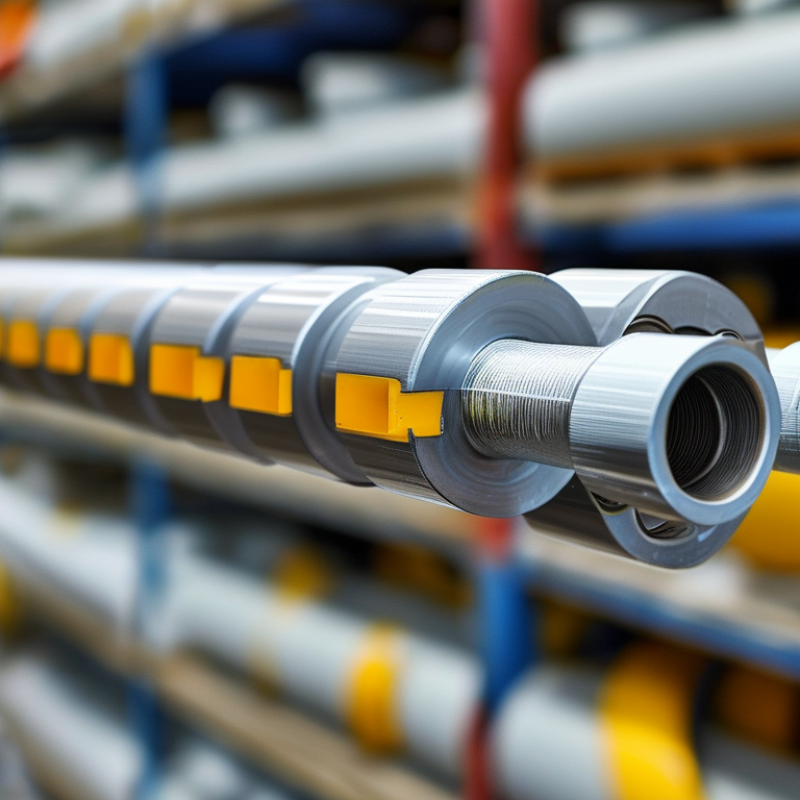
Understanding Rubber Extrusions: Key Concepts and Terminology
Rubber extrusions play a vital role in various industries. Understanding the key concepts and terminology helps buyers make informed decisions. An extrusion process involves forcing raw rubber through a die to create a specific shape. This method allows for precision and consistency.
Key terms include "durometer," which measures rubber hardness. A higher durometer indicates a firmer rubber, while a lower value denotes softer material. Another significant term is "tolerance," referring to the acceptable variation in dimensions. Tolerance ensures that parts fit together correctly in their applications.
Buyers often overlook the importance of material selection. Various rubber compounds offer different properties. For example, some are resistant to heat, while others excel in flexibility. Proper selection impacts durability and performance. It's essential to consider the application and environmental conditions as well. Errors in understanding these concepts can lead to costly mistakes. Effective communication with suppliers is crucial to ensure all specifications are met.
Types of Rubber Extrusions: An Overview of Different Applications
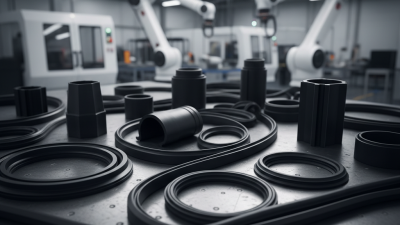
Rubber extrusions come in various forms, each serving unique purposes across industries. These custom-made profiles are essential in maintaining operational efficiency. From automotive parts to construction seals, the applications are vast. In the automotive sector, rubber gaskets provide essential insulation and shock absorption. On building sites, weather stripping is vital for energy efficiency and protection against moisture.
Different types of rubber extrusions meet diverse needs. For instance, co-extruded profiles combine multiple materials to enhance durability. Some extrusions add aesthetic appeal to products. However, not all extrusions perform equally well under pressure or extreme temperatures. This variability necessitates careful selection based on specific conditions.
Evaluating the quality of rubber extrusions can be challenging. A lack of standardization in material sources may introduce inconsistencies. Buyers need to consider factors such as longevity, flexibility, and resistance to wear. Selecting the right extrusion may require testing various samples. Understanding these nuances can enhance the reliability of final products.
Material Selection for Rubber Extrusions: Factors to Consider
When selecting materials for rubber extrusions, there are several critical factors to consider. The choice of rubber compounds greatly impacts performance, durability, and application suitability. For example, materials such as EPDM are known for their excellent weather resistance, making them ideal for outdoor applications. According to industry reports, around 30% of rubber extrusions are produced using this material due to its longevity and cost-effectiveness.
It's essential to evaluate the environmental conditions that the extrusions will face. Factors like temperature, UV exposure, and chemicals can degrade rubber quality over time. A recent survey shows that nearly 40% of buyers cite material resistance to harsh chemicals as a priority in their selection process. Balancing flexibility and tensile strength is also critical. While softer compounds may be easier to manipulate, they might sacrifice strength in certain applications—a trade-off that needs careful consideration.
In addition, the manufacturing process can influence material performance. Variability in extrusion techniques can result in uneven material properties, impacting the final product's reliability. Data indicates that production consistency plays a crucial role, with 25% of failures attributed to improper extrusion standards. Buyers should work closely with manufacturers to ensure optimal material selection based on specific applications and environmental factors. Consistent communication helps mitigate risks and leads to more satisfactory outcomes.
2026 Best Rubber Extrusions for Global Buyers Needs
| Type of Rubber Extrusion |
Material Type |
Hardness (Shore A) |
Temperature Range (°C) |
Applications |
| Silicone Extrusion |
Silicone Rubber |
30-80 |
-60 to 200 |
Automotive, Medical, Electrical |
| EPDM Extrusion |
Ethylene Propylene Diene Monomer |
40-80 |
-50 to 120 |
Roofing, Automotive Seals, Gaskets |
| Nitrile Extrusion |
Nitrile Butadiene Rubber |
30-90 |
-40 to 120 |
Oil Seals, Fuel Lines, O-Rings |
| Neoprene Extrusion |
Chloroprene Rubber |
40-80 |
-30 to 100 |
Welding Hoses, Electrical Insulation |
| SBR Extrusion |
Styrene-Butadiene Rubber |
50-80 |
-20 to 70 |
Automotive Tires, Conveyor Belts |
Quality Standards and Testing for Rubber Extrusions in Global Markets
In the global market, the demand for high-quality rubber extrusions continues to rise. Industries utilize these materials for various applications, from automotive parts to sealing solutions. Quality standards play a crucial role in ensuring their reliability and performance. According to a recent industry report, over 75% of buyers prioritize compliance with international standards like ISO 9001 for rubber products.
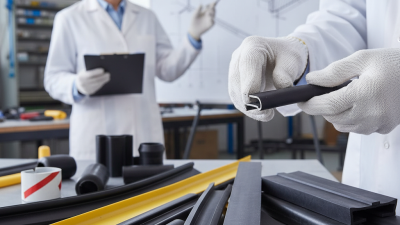
Testing is essential in maintaining these quality standards. Manufacturers often perform tests for tensile strength, elongation, and hardness. These tests help ensure that rubber extrusions can withstand environmental stressors. However, many companies struggle with consistency in testing processes. This inconsistency can lead to product failures and increased costs.
Tips: Always request detailed testing reports from suppliers. This can provide insights into their quality control measures. Regularly review your suppliers’ certifications to ensure they are current. Maintaining clear communication with manufacturers is vital for addressing potential issues early on. Quality should never be compromised for cost-effectiveness. Customers must reflect on how quality impacts long-term performance.
Trends and Innovations in Rubber Extrusions: What's Coming in 2026
The rubber extrusion industry is evolving rapidly. Data from industry reports suggest that the global rubber market will reach $27 billion by 2026. Innovations in materials and processes are driving this growth. Rubber extrusions are becoming lighter and more durable. This shift responds to the demand for efficiency and sustainability in various applications, from automotive to construction.
New technologies like additive manufacturing are making waves. They support customized designs that meet specific needs. However, challenges still exist. Many manufacturers struggle with quality consistency. Factors such as raw material sourcing and production processes contribute to this. Companies must address these issues to remain competitive.
**Tip:** Consider implementing a quality management system to enhance production reliability. Another focus should be on sustainable practices. Research indicates that eco-friendly materials can improve brand reputation and reduce costs. As trends like biocompatible rubber gain traction, staying updated is crucial. Engaging with industry experts and attending conferences can help in understanding these innovations thoroughly.
2026 Global Rubber Extrusions Market Trends