How to Choose the Best Rubber Isolators for Your Needs?
Choosing the right rubber isolators is crucial for effective vibration control and noise reduction. Industry expert Dr. Jane Smith, a leading figure in vibration engineering, emphasizes, "Selecting the right rubber isolators can significantly enhance equipment performance." Understanding your specific requirements can help you make an informed decision.
Rubber isolators come in various shapes and sizes. Each type serves different applications. For instance, a softer rubber isolator can absorb more shock, while a harder one provides stability. Knowing the specific weight, load, and environmental conditions of your application is vital.
Many factors influence the selection of rubber isolators. Material composition, design, and durability are key. Reflecting on these aspects is essential. A mismatched isolator can lead to increased wear and maintenance costs. Therefore, understanding how each isolator works can guide you to the right choice, ensuring reliability and performance.
Understanding Rubber Isolators: Types and Applications
Rubber isolators serve crucial roles in numerous applications. They are designed to reduce vibrations and isolate equipment from external shocks. Industries like automotive, manufacturing, and aerospace rely heavily on these components. They efficiently minimize noise and protect sensitive instruments from vibrations, which is vital for equipment longevity.
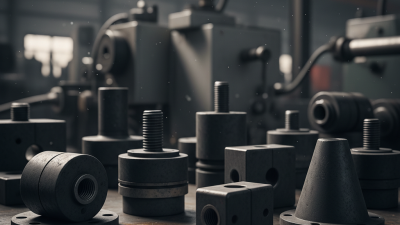
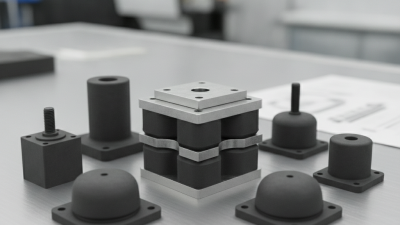
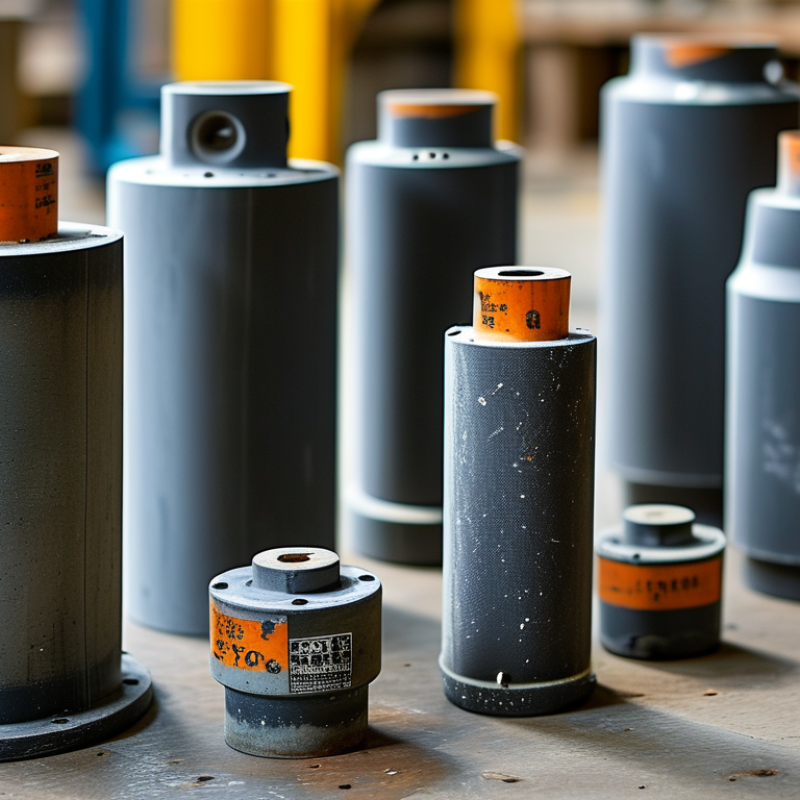
There are various types of rubber isolators available. Common types include pad mounts, cylindrical mounts, and coil springs. Each type has unique properties suited for specific applications. According to a report by the Rubber Manufacturers Association, nearly 60% of industrial machinery vibration issues can be mitigated with the correct use of rubber isolators. Selecting the wrong type can lead to equipment failure or increased operational costs.
It's essential to consider load requirements when choosing rubber isolators. If not, the isolator may deform prematurely. The hardness of the rubber or durometer rating plays a vital role in performance. A durometer rating that is too high may not provide adequate shock absorption. Evaluating these factors thoughtfully can prevent costly mistakes and ensure optimal performance.
Key Factors to Consider When Selecting Rubber Isolators
Choosing the right rubber isolators can significantly impact performance and safety. When selecting rubber isolators, consider several key factors. The application type is critical. Different scenarios, such as machinery vibration control or noise reduction, require specific isolators. Understand your needs deeply before making a decision.
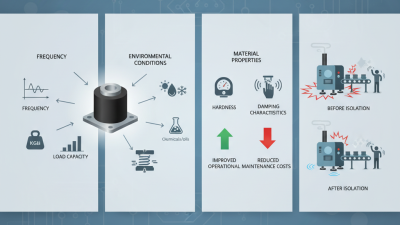
Material composition also plays a crucial role. Natural rubber is popular for its flexibility, while synthetic options offer better durability. The durometer hardness should match your application. A softer isolator can absorb more impact but may deform under heavy loads. Testing various hardness levels can help find the right fit.
Load capacity cannot be overlooked. Each isolator has a specific load limit. It’s vital to calculate the total weight and dynamic loads your application will face. Choosing isolators that are too weak can lead to failure. On the other hand, selecting overly rigid isolators may reduce effectiveness. Always err on the side of caution while considering these factors.
How to Choose the Best Rubber Isolators for Your Needs? - Key Factors to Consider When Selecting Rubber Isolators
| Factor |
Description |
Example Value |
| Load Capacity |
Maximum weight that the isolator can support without failure. |
500 lbs |
| Material Hardness |
The hardness of the rubber, affecting isolation performance and durability. |
Shore A 50 |
| Temperature Resistance |
The ability of the isolator to withstand varying temperatures. |
-40°F to 180°F |
| Vibration Frequency |
Range of frequencies over which the isolator is effective. |
5 Hz to 50 Hz |
| Compression Set |
The ability of rubber to maintain its shape after deformation. |
25% Max |
| Environmental Resistance |
Resistance to chemicals, oils, and ozone exposure. |
Excellent |
Evaluating Load Capacity and Performance Specifications
When selecting rubber isolators, evaluating load capacity is crucial. They must accommodate the weight of the equipment they support. A typical isolator can handle a specific load range. Ensure you choose one within the operational limits. The load capacity may vary based on the type of rubber used.
Next, consider performance specifications. Stiffness and damping are key factors for proper isolation. Stiffer isolators can handle more load but might transmit vibrations. Softer isolators provide better vibration suppression but have load limits. It’s essential to find a balance that meets your specific requirements.
Many users overlook environmental factors. Temperature and exposure to chemicals can affect performance. Testing isolators under actual working conditions is beneficial. Sometimes, it reveals unexpected challenges. Continuous monitoring can help you make necessary adjustments. Evaluating these aspects ensures reliable performance and longevity.
Assessing Environmental Conditions and Compatibility
When selecting rubber isolators, it is crucial to assess environmental conditions. Factors such as temperature, humidity, and chemical exposure can drastically affect material performance. For instance, synthetic rubber can withstand temperatures ranging from -40°F to 350°F, making it suited for various industrial applications. However, in high-ozone environments, natural rubber may deteriorate quickly, losing its effectiveness.
Compatibility with the operational environment is equally important. Many studies indicate that rubber can absorb external vibrations, but its longevity varies. Under harsh chemical exposure, the isolators may fail within months. The Chemical Resistance Guide by ASTM provides insights into which materials resist specific chemicals. Understanding these parameters can ensure that the right isolator is chosen for lasting performance.
Testing and monitoring environmental conditions are key to successful applications. Periodic assessments can help identify risks early. Notably, one industry report revealed that 30% of isolator failures stemmed from improper material selection based on environmental factors. Thus, continual evaluation is essential for maintaining efficiency and reliability in operations.
Installation Tips and Best Practices for Rubber Isolators
When installing rubber isolators, proper placement is crucial. Position them where vibrations are most intense. Avoid locations where moisture might accumulate. This can lead to premature wear. Ensure a level surface for each isolator. Uneven surfaces can reduce their effectiveness. Tighten bolts uniformly to avoid stress concentration.
Consider the load capacity of each isolator. This affects performance and longevity. Overloading can result in failure. Be mindful of environmental factors. Extreme temperatures may affect the rubber's elasticity. Regular inspections are important. Look for signs of deterioration or compression set. Replace any isolators that show excessive wear.
Installation can seem straightforward, yet attention to detail is vital. Document each step as you go. This provides insight for future installations. Engage with colleagues for tips and best practices. Sharing experiences fosters learning and improvement. Learning often happens through challenges faced during installation. Being proactive in addressing potential issues can enhance the overall outcome.
Rubber Isolators Performance Comparison