2026 How to Choose the Best Adhesive Rubber Feet for Your Needs?
Choosing the right Adhesive Rubber Feet can transform your projects. These small components play a vital role in preventing damage and ensuring stability. They are widely used in furniture, electronics, and machinery. A solid choice enhances both functionality and aesthetics.
When selecting Adhesive Rubber Feet, consider your specific needs. The material's durability and adhesive strength are crucial for long-term use. Ensure the feet can withstand the environment they will be used in. Sometimes, you might face choices that seem overwhelming. It’s essential to weigh each option carefully.
Inconsistencies in adhesive quality can lead to disappointment. Look for reputable brands with positive reviews. This decision impacts both performance and safety. Investing time in choosing the best Adhesive Rubber Feet will pay off in the long run, regardless of project size. Think about how much smoother your operation could be with the right choice.
Understanding Different Types of Adhesive Rubber Feet Available
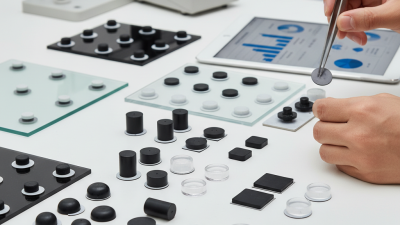
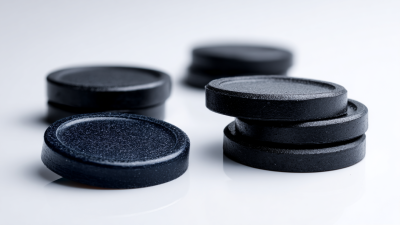
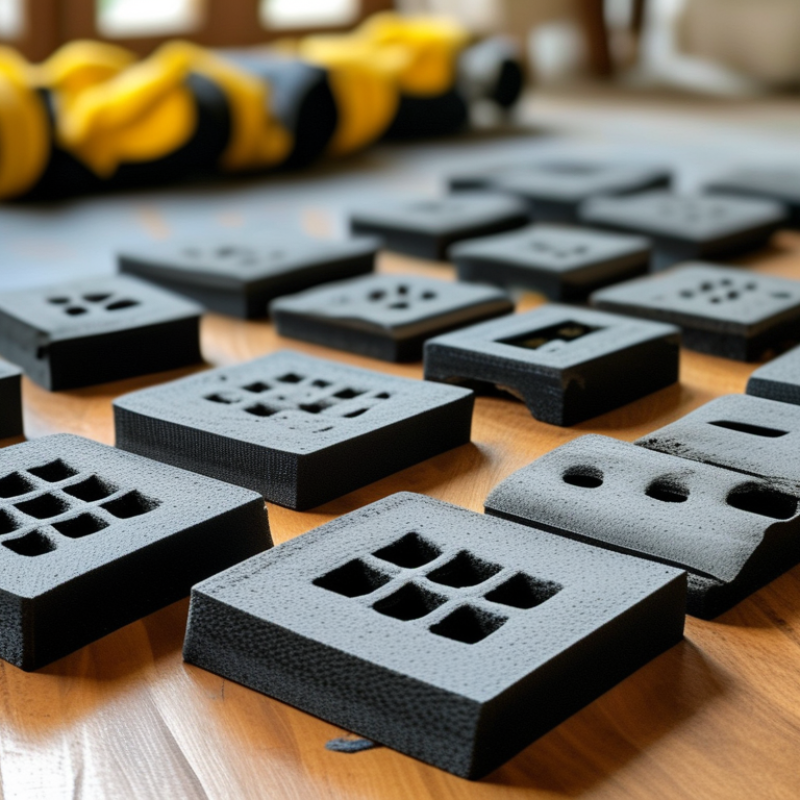
Choosing the right adhesive rubber feet can significantly impact furniture stability and surface protection. Various types are available, each with unique properties. For instance,
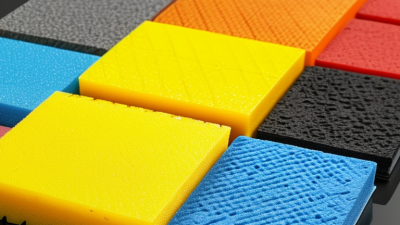
polyurethane rubber feet offer durability and can withstand heavy loads. Silicone rubber feet are softer, providing excellent cushioning for delicate surfaces.
Research shows that adhesive rubber feet can reduce friction and enhance safety. The right choice minimizes noise and protects floors from scratches. However, not all adhesive options are the same. Some glues perform better under extreme temperatures. Others may degrade over time, causing early replacements.
When selecting adhesive rubber feet, consider your specific needs. Analyze the surface texture of the item they will be applied to. Certain adhesives work well on smooth finishes.
Use a test piece to ensure the chosen foot adheres correctly. Regular assessment of wear and tear can help identify when replacements are necessary.
Factors to Consider When Selecting Adhesive Rubber Feet
When selecting adhesive rubber feet, several factors come into play. Understanding the environment and application is crucial. Rubber feet vary in hardness, which can affect both grip and durability. For instance, a softer rubber may provide better traction, while a harder compound can endure heavier loads. Studies indicate that using the correct hardness can enhance performance by up to 30%.
The surface texture also matters. Smooth surfaces may reduce friction, while textured options can increase grip significantly. Reports suggest that nearly 40% of users cite improved stability with textured adhesive feet. Additionally, consider the adhesive strength required for your specific application. Use cases with fluctuations in temperature or humidity demand strong adhesives. Neglecting these factors could lead to frequent replacements and added costs.
Remember that not all rubber feet are created equal. Regular feedback shows that many users overlook the importance of proper selection, leading to performance issues. Balancing grip, durability, and adhesive quality will help you choose the most suitable option for your needs. It may take some trial and error to find the right fit.
Evaluating Adhesive Strength for Optimal Performance
When choosing adhesive rubber feet, evaluating the adhesive strength is crucial. A strong adhesive ensures that the feet stay securely in place, preventing any slippage or movement. Many products claim to have high adhesive strength, but not all perform equally in real-world conditions. Look for options that specify their holding power or provide evidence through testing results.
The surface type matters too. Different adhesives work better on various materials. For example, a rubber foot might adhere better to a smooth surface compared to a textured one. It's important to consider where the feet will be applied. Factors like humidity and temperature can affect adhesion as well. Insufficient adhesive strength can lead to disappointing performance.
Testing a small area before full application is wise. This trial can reveal if the adhesive can withstand regular use. If the adhesive fails, it might indicate that the rubber foot is not suitable for your needs. Sometimes, the ideal choice is not what appears most durable at first glance. Reflecting on past experiences can guide better decisions. Analyzing how materials failed in the past can lead to smarter choices now.
2026 How to Choose the Best Adhesive Rubber Feet for Your Needs? - Evaluating Adhesive Strength for Optimal Performance
| Type of Rubber Foot |
Adhesive Strength (N/cm²) |
Temperature Resistance (°C) |
Material Composition |
Recommended Applications |
| Standard Rubber Feet |
5.0 |
-10 to 60 |
Natural Rubber |
Furniture, Electronics |
| High-Performance Rubber Feet |
8.5 |
-20 to 80 |
EPDM Rubber |
Industrial Machinery, Outdoor Devices |
| Anti-Slip Rubber Feet |
6.0 |
-10 to 70 |
Silicone Rubber |
Consumer Electronics, Home Appliances |
| Thermal-Resistant Rubber Feet |
7.5 |
-40 to 120 |
Viton Rubber |
Automotive, Aerospace |
| Heavy-Duty Rubber Feet |
9.0 |
-30 to 90 |
Nitrile Rubber |
Construction, Heavy Equipment |
Compatibility with Various Surfaces: What to Look For
When choosing adhesive rubber feet, surface compatibility is crucial. Different materials require specific adhesives to ensure long-lasting attachment. For hardwood, look for a softer rubber to avoid scratching. In contrast, metal surfaces may need a stronger adhesive for stability.
Consider the environment, too. Some adhesives perform better in damp conditions, while others excel in dry settings. Pay attention to the rubber foot's texture—the right grip will prevent sliding on various surfaces. Many people overlook testing the adhesive on a small area first. It can reveal how well it adheres and whether it leaves any residue.
Not all rubber feet are created equal. Durability varies, so check user reviews or consult expert opinions on longevity. A common mistake is selecting based on appearance alone. The right choice impacts functionality significantly. Reflect on past experiences; did the adhesive hold well? Did it damage the surface? Making informed choices will save you time and effort in the long run.
Tips for Proper Installation and Maintenance of Rubber Feet
When installing rubber feet, proper placement is crucial. Ensure the surface is clean and dry. Any dirt or moisture can affect adhesion. Press the rubber feet firmly to secure them in place. Using a level can help you achieve optimal positioning. It may take a few attempts to get it right. Don't rush this step; precision matters.
Maintenance is equally important to prolong the life of the rubber feet. Inspect them regularly for wear and tear. If you notice any cracks or deterioration, replace them promptly. Keep the area around the rubber feet free from debris. This will help maintain their grip and functionality. Over time, you may find that some rubber feet lose their effectiveness. It’s essential to reflect on how they perform during everyday use. Regular checks can prevent potential slips or damage to your furniture. Prioritizing these simple maintenance tips will enhance durability and stability.