Best Rubber Isolators for Effective Vibration Control?
Effective vibration control is crucial across many industries. One of the best tools for this purpose is rubber isolators. These components absorb vibrations from machinery, improving performance and prolonging equipment life. According to a recent report by the Vibration Institute, nearly 75% of machinery failures stem from inadequate vibration control. This highlights the importance of selecting high-quality rubber isolators.
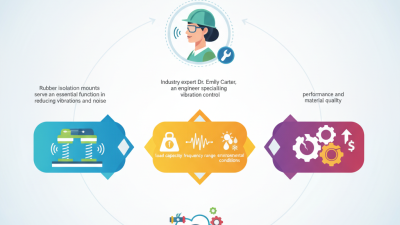
Dr. Emily Thompson, a leading expert in vibration analysis, emphasizes their value. She states, "Properly designed rubber isolators can reduce vibrations by up to 95%." Her insights underline the necessity for companies to invest in superior isolators. The right rubber isolators not only mitigate vibrations but also enhance overall operational efficiency.
Despite their importance, many industries still overlook rubber isolators in their design processes. This is concerning, as inappropriate selection can lead to increased maintenance costs and equipment downtime. Companies must reflect on their current practices and consider the benefits that reliable rubber isolators can offer.
Overview of Rubber Isolators and Their Importance in Vibration Control
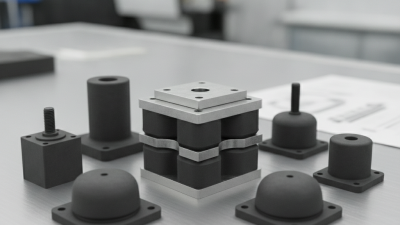
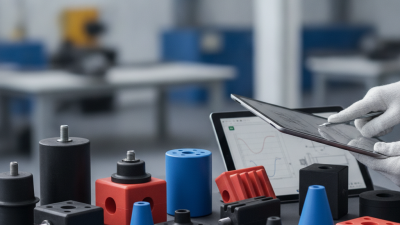
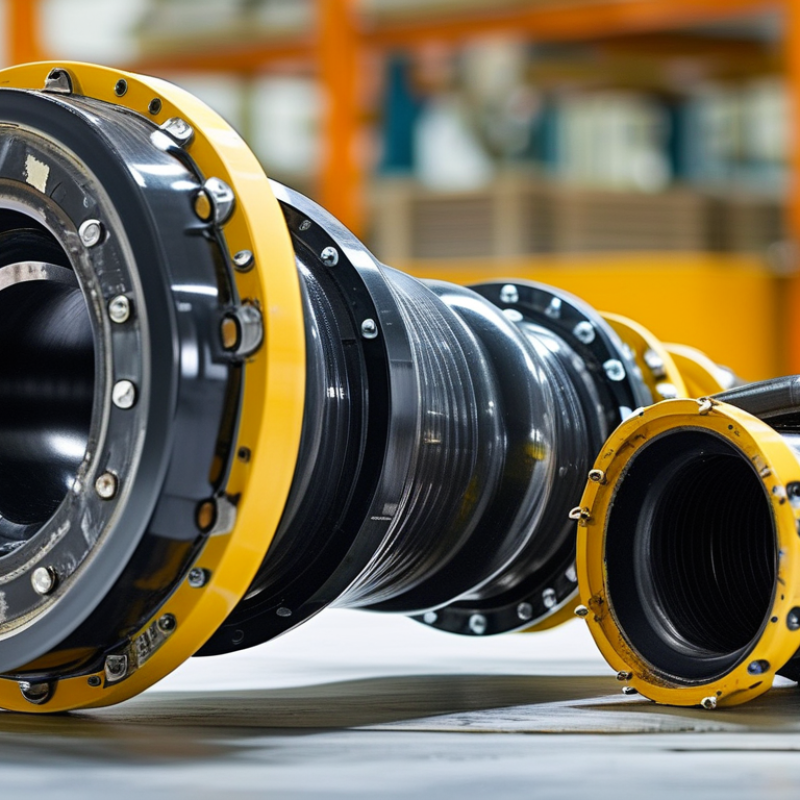
Rubber isolators play a crucial role in vibration control systems. They help minimize vibrations that can cause damage to equipment and structures. By using rubber materials, these isolators can absorb shock and prevent the transfer of vibrations. This is especially important in industrial settings, where heavy machinery operates. The right rubber isolator can reduce wear and tear, ensuring a longer lifespan for machines.
Choosing the correct type of rubber is essential. Different grades and compounds offer varying levels of absorption. For optimal performance, consider the frequency and amplitude of the vibrations. Not all environments are the same; some may require higher resilience in their isolators. Be aware that environmental factors, such as temperature and exposure to chemicals, affect rubber's effectiveness.
Maintain the rubber isolators regularly. Inspect them for wear or degradation. Deterioration can reduce their effectiveness over time. Proper installation also matters. A well-placed isolator can significantly enhance its performance. Experiment with different configurations to find the best fit. This process might take time but can lead to improved vibration control.
Effectiveness of Different Rubber Isolators in Vibration Control
Types of Rubber Materials Used in Vibration Isolation Applications
When it comes to vibration isolation, the choice of rubber material is crucial. Various types of rubber are used for effective vibration control, each offering unique properties suitable for different applications. Natural rubber is known for its excellent elasticity and resilience. It performs well in a wide temperature range, making it suitable for many industrial settings. Studies highlight its effectiveness, demonstrating a vibration reduction capability of up to 80%.
Another commonly used material is neoprene, a synthetic rubber. Neoprene exhibits good weather resistance and maintains performance in various environmental conditions. It is particularly beneficial in marine applications and HVAC systems. Reports from industry sources indicate that neoprene isolators can significantly decrease noise levels, achieving up to 90% sound dampening.
However, selecting the right rubber material is not without challenges. The compatibility of rubber with chemicals and oils must be considered. Performance variability is also a concern; different batches may not deliver identical results. Conducting thorough testing is essential for ensuring reliability in vibration isolation applications. This process can be time-consuming but is vital for optimal performance in critical environments.
Key Features to Consider When Selecting Rubber Isolators
When selecting rubber isolators for vibration control, it’s essential to consider material properties. Different rubber compounds can significantly affect the isolator's performance. For instance, natural rubber provides excellent elasticity and can absorb vibrations effectively. However, exposure to certain chemicals can degrade its properties over time. It's crucial to match the rubber type to the specific working environment.
Another key feature is the isolator's load-bearing capacity. Each application has unique weight requirements. Neglecting to consider this can lead to ineffective vibration dampening. Users often overlook the isolator's durometer rating as well. A higher number indicates a harder rubber that may not absorb vibrations effectively. Testing is necessary to ensure that the selected isolator meets the project’s specific needs.
Design features also play an important role. Some isolators are designed with additional layers or specific shapes to enhance performance. It's important to evaluate how these features translate into real-world performance. Not all designs perform equally under various conditions. Therefore, conducting experiments with different types may help you find the most effective solution. Remember, thoughtful consideration of these aspects can greatly improve vibration control outcomes.
Best Rubber Isolators for Effective Vibration Control
| Type |
Load Capacity (lb) |
Frequency Range (Hz) |
Damping Ratio |
Material |
Dimensions (inches) |
| Standard Rubber Isolator |
200 |
5-50 |
0.2 |
Natural Rubber |
4 x 4 x 2 |
| Heavy Duty Isolator |
500 |
10-60 |
0.3 |
SBR Rubber |
6 x 6 x 3 |
| Low-Profile Isolator |
150 |
1-40 |
0.1 |
EPDM Rubber |
3 x 3 x 1 |
| Spring Isolator |
300 |
3-30 |
0.4 |
Nitrile Rubber |
5 x 5 x 2.5 |
Applications of Rubber Isolators in Various Industries
Rubber isolators play a crucial role across various industries. They are widely used in manufacturing plants to minimize vibration from heavy machinery. This isolation helps enhance machine performance and prolongs equipment lifespan. In the automotive sector, these isolators reduce noise and improve passenger comfort. The use of rubber in this context allows for effective dampening of engine vibrations.
In the construction industry, rubber isolators are vital. They help in building foundations and structures, ensuring stability and safety. This application is particularly important in earthquake-prone regions. Using isolators can significantly mitigate damage during seismic activities. However, proper installation and maintenance are essential for maximizing effectiveness.
When selecting rubber isolators, consider specific application needs. Different environments require tailored solutions. Pay attention to load capacity and temperature resistance. It’s also important to evaluate the material quality. Regular checks can prevent unexpected failures. Ignoring these aspects may lead to costly repairs or operational downtime.
Maintenance and Performance Optimization of Rubber Isolators
Effective maintenance of rubber isolators is crucial for optimal vibration control. Research indicates that properly maintained isolators can improve performance by 30%-50%. These isolators absorb energy and reduce noise. In doing so, they protect sensitive equipment from vibrations. Over time, however, exposure to harsh environments can lead to degradation. Worn-out isolators may not perform efficiently, which can affect overall system stability and performance.
Inspecting rubber isolators regularly is essential. Signs of wear include cracks and surface hardening. These forms of damage can decrease isolation efficiency and increase vibration transmission. Maintenance protocols should involve checking isolators every six months. Conditions that may accelerate wear need special attention. For example, high temperatures and exposure to chemicals can worsen the degradation process.
Use visual inspections for quick assessments. Regular cleaning can also help in prolonging the life of rubber isolators. Consider documenting performance periodically. This practice provides insights into wear trends over time. Addressing issues early can prevent costly repairs later. In striving for effective vibration control, the role of maintenance becomes undeniable.